(Vaccinium myrtillus)
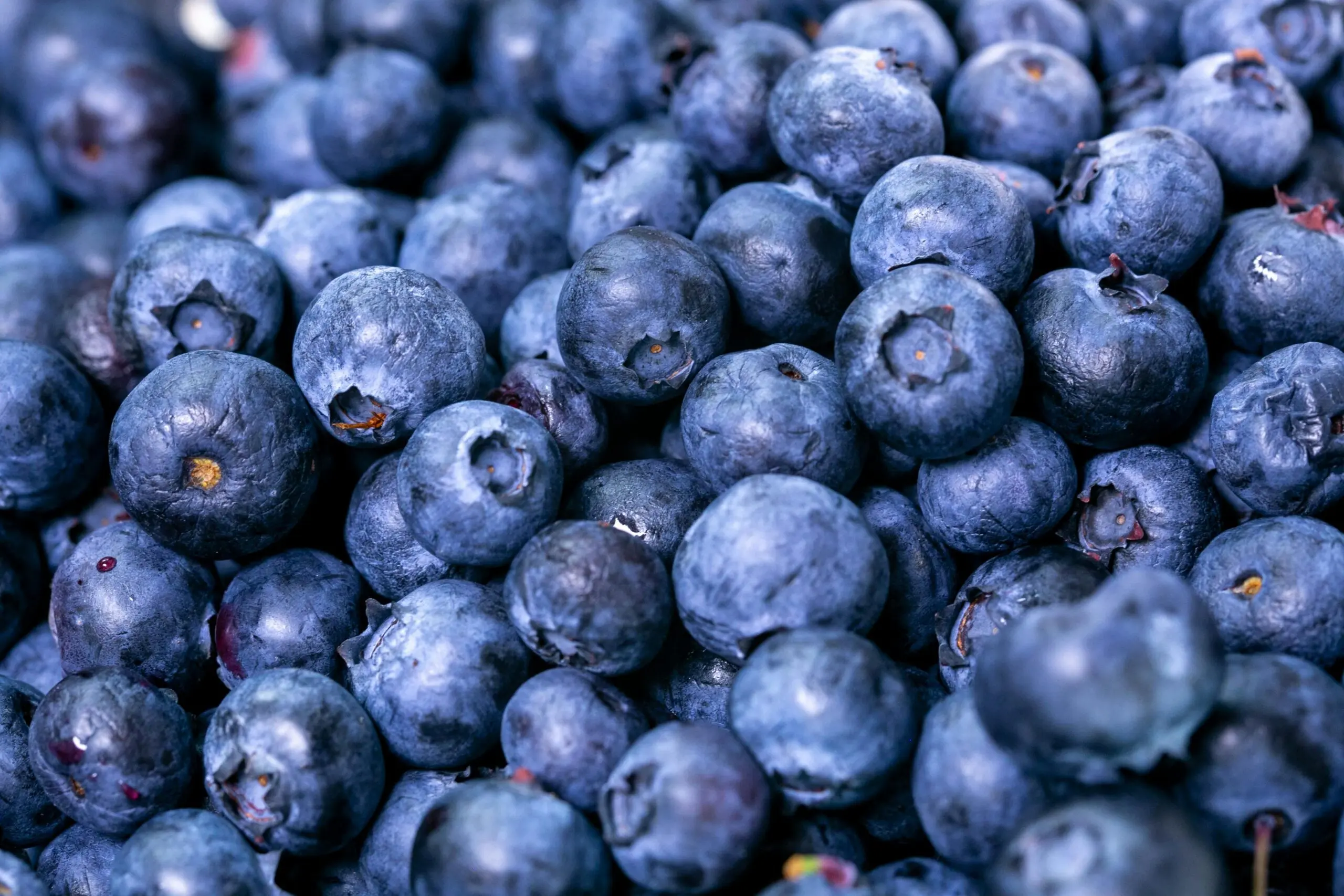
Wild blueberries – also called bilberries – grow low to the ground in European forests and heathland. They are smaller and darker than cultivated blueberries, colored blue-purple right through to the center, and have a stronger, slightly tart flavor. They have been used in folk medicine for centuries, and today they are one of the better-researched berries.
Why wild berries are different
Cultivated blueberries in the supermarket are usually a different species (Vaccinium corymbosum) with pale flesh. Wild bilberries contain far more pigment, because the anthocyanins are found not only in the skin but throughout the fruit. These compounds give the berries their deep color and are the main reason they are of interest to nutrition researchers.
Studies on anthocyanin-rich berries link them with:
- protection against oxidative stress,
- better memory and cognitive performance in older adults,
- improved blood sugar response after meals,
- support for healthy blood vessels and eyesight.
Most of this research is on blueberries and berry extracts in general rather than on wild bilberries alone, and the effects are modest. Still, dietary guidelines consistently recommend fruit and berries as part of a diet that lowers the risk of chronic disease.
Nutritional values (per 100 g, freeze-dried)
| Component | Amount |
|---|---|
| Energy | ~325 kcal |
| Fiber | ~24 g |
| Vitamin C | ~30 mg |
| Anthocyanins | over 200 mg |
| ORAC (antioxidant capacity) | ~9621 µmol TE |
| Iron | ~2.5 mg |
| Manganese | ~6.2 mg |
| Vitamin K | ~20 µg |

Good to know
Wild blueberries can contain up to twice the antioxidant capacity of cultivated ones. Antioxidants help neutralize free radicals, which are involved in cell aging and chronic inflammation. Freeze-drying removes the water but keeps most of these compounds, which is why the values above are so concentrated.
How to use wild blueberries
- At breakfast – sprinkle them over porridge, granola or yogurt.
- In smoothies – they go well with leafy greens, banana or plant-based milk.
- As a snack – freeze-dried berries are good straight from the bag.
- As a powder – wild blueberry powder from our partner brands is a practical option when you are traveling or short on time.
How much?
A small handful of freeze-dried berries (about 10–15 g) or one tablespoon of wild blueberry powder a day is enough to add a useful amount of antioxidants, fiber and plant compounds to your diet.
Breakfast idea: forest energy bowl
Ingredients:
- 2 tablespoons wild blueberry powder
- ½ cup coconut or Greek yogurt
- 1 banana
- 2 tablespoons flaxseeds
- A handful of spinach or kale
- 1 teaspoon honey (optional)
Method: Blend everything until creamy, then top with a few dried berries, hemp seeds or chopped nuts.

Smoothie: blueberry focus shake
Ingredients:
- 1 tablespoon wild blueberry powder
- 1 cup almond milk
- ½ avocado
- 1 tablespoon chia seeds
- A few ice cubes
- Fresh mint leaves (optional)
Method: Blend until smooth. Good before work or study, or as a quick drink after a workout.
A berry worth getting to know
Wild blueberries are one of the simplest ways to bring more color and more plant compounds into your diet – whether fresh in late summer or dried and powdered the rest of the year.
Explore more berries and plant foods in our growing superfood collection.