From follicle to daily routine – how to care for your hair with plants, good food and simple rituals
What is hair – and why does it look different from day to day?
Shiny one day, frizzy the next? Hair is affected by humidity, washing and styling, but also by nutrition, stress, hormones and sleep.
Hair consists mainly of the protein keratin. The visible part of the hair is dead tissue; the living part is the follicle in the scalp, where new hair is constantly being formed. That is why hair often reflects your general health – with a delay of several weeks or months.
How is a hair made up?
- Cuticle – the outer layer of overlapping scales. Smooth scales reflect light and make hair shiny; raised scales make it look dull and frizzy.
- Cortex – the middle layer, which contains the pigment and determines strength and elasticity.
- Medulla – the inner core, which is not present in all hair.
Care products mainly affect the cuticle; the health of new hair depends on the follicle and scalp.
Healthy hair starts with the scalp
The scalp is like the soil and the hair like a plant: an irritated, inflamed or very oily scalp is not a good basis for healthy hair.
How to care for your scalp naturally
- Wash gently – mild shampoos are often better tolerated than those with strong surfactants such as SLS
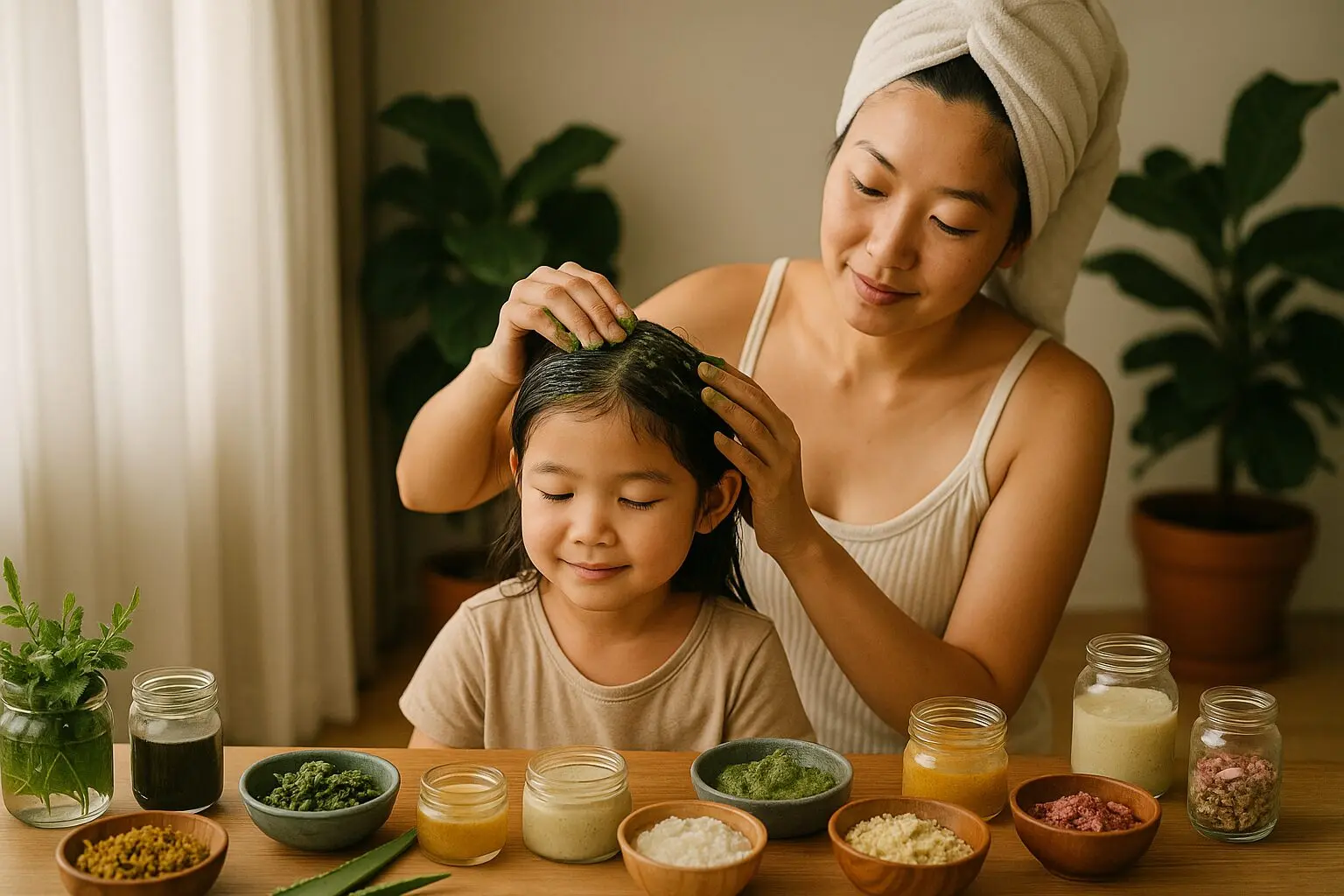
- Massage with oils, for example diluted rosemary oil or black seed oil
- Exfoliate occasionally, for example with clay and fenugreek
- Use dry shampoo and hairspray in moderation and wash them out regularly
- Rinse with nettle, horsetail or chamomile tea
If you have persistent itching, redness, scaling or bald patches, see a dermatologist – conditions such as seborrheic dermatitis, psoriasis or fungal infections need specific treatment.
Herbs, oils and ingredients for hair
| Ingredient | Benefit |
|---|---|
| Nettle | traditionally used to strengthen hair |
| Horsetail | rich in silica – traditionally used for hair and nails |
| Rosemary | may stimulate growth; one small study found effects similar to low-dose minoxidil |
| Bhringraj | Ayurvedic remedy for graying and thinning |
| Fenugreek | traditionally used for the scalp and hair growth |
| Castor oil | nourishes and smooths; no proof of faster growth |
| Coconut oil | reduces protein loss during washing, protects |
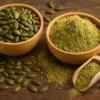
| Pumpkin seed oil | one small study found more hair in men with hereditary hair loss |
Most of these ingredients are traditionally used, but have hardly been studied scientifically. Rosemary oil and pumpkin seed oil have the best evidence – but even there, the studies are small.
Alternatives to shampoo
Clay and fenugreek (cleansing and mask in one)
Ingredients:
- 2 tbsp rhassoul clay
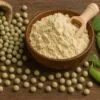
- 1 tbsp ground fenugreek
- warm water or nettle tea
Apply to the scalp, massage gently, leave for 10 minutes and rinse thoroughly.
Fermented rice water
Ingredients:
- 1/2 cup rice
- 1.5 cups water
Leave for 24–48 hours until it smells slightly sour. Strain and use as a final rinse, then rinse with clear water. Once a week is enough – used too often, it can make hair stiff.
A week without shampoo?
Some people like to try washing their hair only with clay, herbal rinses and water for a week. This can be worth a try for dry or curly hair. If you have oily hair or a sensitive scalp, a mild shampoo is often the better choice.
DIY masks and rinses
Banana and coconut oil smoothing mask
- 1 ripe banana
- 1 tbsp coconut oil
- a few drops of lemon juice
Blend until completely smooth (banana pieces are hard to rinse out), apply for 30 minutes and rinse with warm water.
Yogurt and honey (for a dry, itchy scalp)
- 3 tbsp plain yogurt
- 1 tbsp honey
- 1 tsp apple cider vinegar
Massage into the scalp and leave for 20 minutes. Persistent dandruff is often caused by a yeast and is best treated with an anti-dandruff shampoo.
Black seed and castor oil scalp massage
- 1 tbsp castor oil
- 1 tbsp black seed oil
Warm slightly, massage into the scalp and rinse after one hour. Raw garlic, sometimes recommended in such masks, can cause chemical burns on the skin – it is better to leave it out.
Hibiscus and aloe vera conditioner
- 1 tbsp hibiscus powder
- 1 tbsp aloe vera gel
Mix, apply to damp hair, leave for 20 minutes and rinse. Hibiscus can tint light hair slightly red.
Many of these ingredients are probably already in your kitchen. Test new masks on a small patch of skin first, especially if you have sensitive skin.
Herbs to drink
- Nettle – contains minerals such as iron and silica
- Horsetail – rich in silica; not for long-term use or with kidney problems
- Fenugreek – traditionally used for hair; not during pregnancy
- Tulsi (holy basil) – traditionally used for stress
There is little scientific evidence that herbal teas promote hair growth. A balanced diet with enough protein, iron, zinc, vitamin D and B vitamins is more important.
Why does hair fall out, turn gray or become thin?
The most common causes of hair loss:
- hereditary hair loss (androgenetic alopecia) – the most common cause in men and women
- temporary hair loss two to four months after severe stress, illness, surgery, childbirth or crash diets (telogen effluvium)
- thyroid disorders
- iron deficiency and other nutrient deficiencies
- hormonal changes, for example with PCOS or during menopause
- autoimmune hair loss (alopecia areata)
- tight hairstyles, frequent bleaching, perms and heat styling
- some medications
Graying is mainly determined by genetics. Vitamin B12 deficiency, thyroid disease and smoking can make it start earlier, and research suggests that severe stress may also play a role.
What your hair can tell you
Sudden or heavy hair loss, bald patches or a noticeably thinner parting are worth investigating. A doctor can check your iron (ferritin), thyroid and other values. Many causes can be treated well – the earlier, the better.
Simple rituals to start today
- Massage your scalp for a few minutes every day – a small study found thicker hair after 24 weeks
- Use herbal teas as a final rinse
- Apply oil to the lengths before washing to protect them
- Sleep on a silk or satin pillowcase to reduce friction
- Manage stress, sleep enough and eat a varied diet
Rosemary oil for the scalp
Ingredients:
- 2 tbsp castor oil
- 1 tbsp coconut oil
- 10 drops rosemary essential oil
- optional: 5 drops peppermint oil
Warm slightly and massage into the scalp. Leave on for a few hours or overnight and wash out thoroughly. Never apply essential oils undiluted to the skin, and test the mixture on a small patch first.
Did you know…
- The women of the Yao ethnic group in Huangluo, China, are famous for their extremely long hair, which they traditionally wash with fermented rice water.
- In India, hibiscus is a classic ingredient in hair care.
- The hair cycle is long: a hair grows for two to six years before it falls out. That is why changes in diet or care take months to show.
Grandma’s tips
Flaxseed gel for curls, an apple cider vinegar rinse for shine, an egg yolk mask: many traditional hair care recipes are simple and inexpensive. They don’t work miracles, but they can make hair softer and shinier – and they are fun to try.