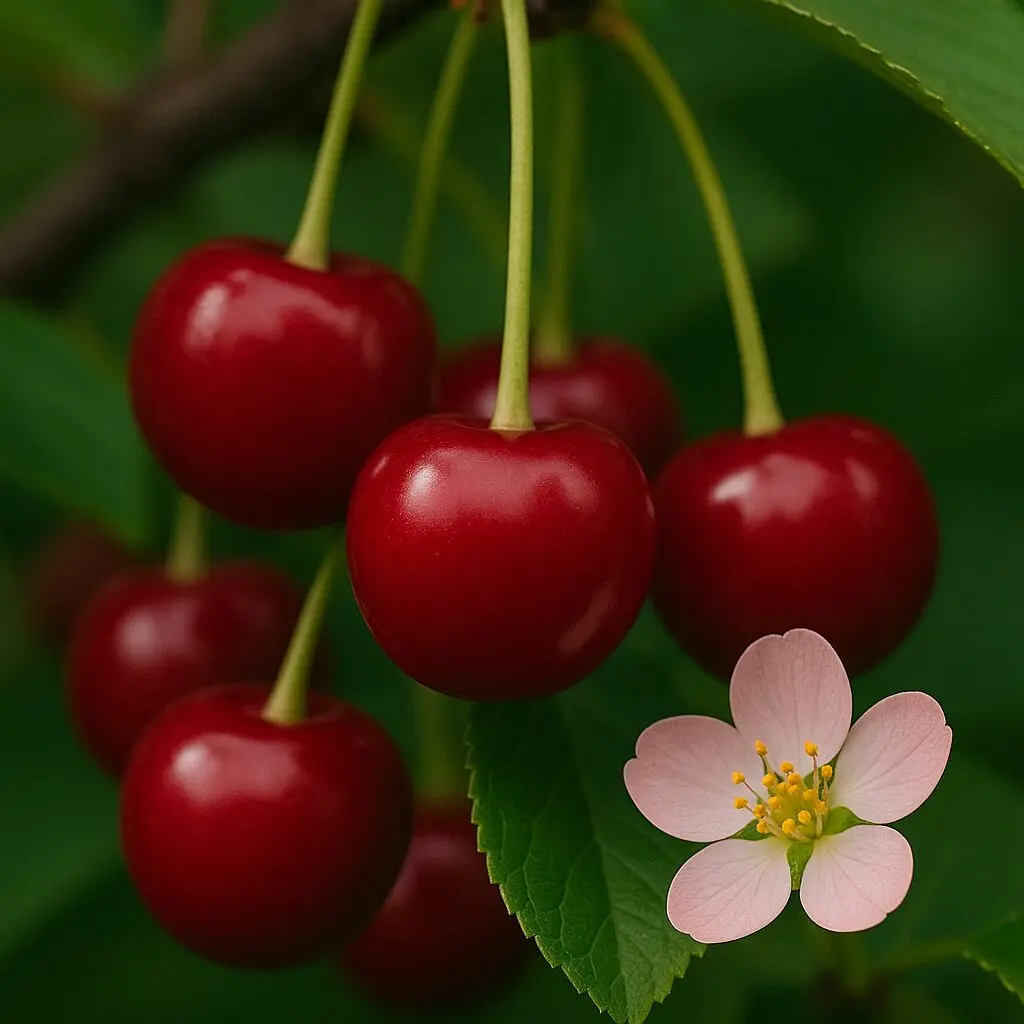
Prunus cerasus
Tart, deep red and well studied
Description and origins
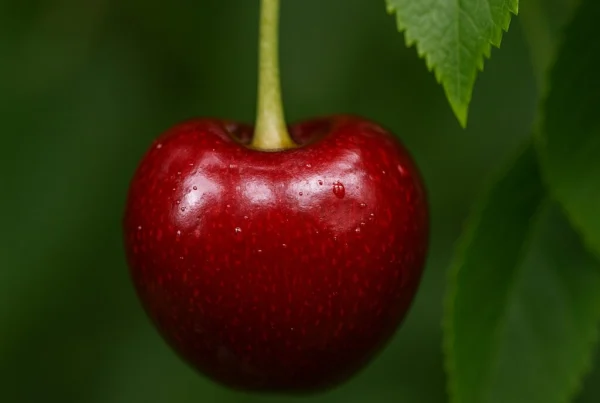
The sour cherry (Prunus cerasus) is closely related to the sweet cherry (Prunus avium), but has a much sharper, more acidic taste. It has been grown in gardens and orchards from Europe to Central Asia for centuries. Popular varieties include Montmorency, which is grown widely in the US, and Morello, common in Europe.
Sour cherries are rich in anthocyanins and other polyphenols that give them their deep red color. They also contain small amounts of melatonin. Tart cherry juice in particular has been studied for its effects on sleep, muscle recovery and gout.
Nutritional values (per 100 g)
| Nutrient | Amount |
|---|---|
| Calories | 50 kcal |
| Protein | 1 g |
| Carbohydrates | 12 g |
| Fiber | 1.6 g |
| Vitamin C | 10 mg (13%) |
| Vitamin A | 64 IU |
| Potassium | 173 mg |
| Anthocyanins | ~80 mg |
| Melatonin | trace (natural source) |
Health benefits
Sleep
Sour cherries contain melatonin, the hormone that regulates the sleep-wake cycle, as well as tryptophan. In small studies with adults, drinking tart cherry juice twice a day slightly increased sleep duration and quality, including in older people with insomnia. The amount of melatonin in cherries is small, so other compounds probably also play a role. There are no studies on children or on ADHD.
Muscle recovery
Several studies with runners and strength athletes found that tart cherry juice or concentrate taken for several days before and after intense exercise reduced muscle soreness and strength loss and lowered inflammatory markers. The effect is moderate.
Gout and uric acid
In an observational study of people with gout, those who ate cherries had fewer gout attacks over the following days. Small studies also show a slight reduction in uric acid levels. Cherries can be a useful addition for people with gout, but they do not replace medication.
Blood sugar
Anthocyanins may improve insulin sensitivity in laboratory and animal studies. Fresh sour cherries have a relatively low glycemic index. Juice, sweetened dried cherries and canned cherries contain much more sugar – if you have insulin resistance or type 2 diabetes, prefer fresh or frozen cherries.
Heart and blood vessels
Some studies found that tart cherry juice can lower blood pressure slightly. Anthocyanins have antioxidant and anti-inflammatory effects.
There is no evidence that sour cherries help with leaky gut.
Culinary uses
Sour cherries are ideal for compotes, jams, pies and cakes, but they also go well with savory dishes such as duck, lamb, game or goat cheese, and with grains such as quinoa. They can be frozen, dried or made into juice. As a topping on porridge or in yogurt with cocoa, they are delicious all year round.
Herbal and naturopathic uses
In folk medicine, cherry stalks were brewed into a mildly diuretic tea. Sour cherry juice was traditionally used for sleep problems, headaches and joint complaints. Cherry extracts also appear in natural skincare products.
Suggested intake
- Fresh cherries: 1–2 handfuls a day during the season
- Dried (unsweetened): up to 30 g a day
- 100% tart cherry juice: in studies, usually around 240 ml twice a day; for sleep, a glass in the evening is a common recommendation – keep its sugar content in mind
Good combinations
- With pumpkin seeds or almonds – for protein and magnesium in a snack
- With plain yogurt or kefir – for the gut
- With cocoa or blackcurrants – a polyphenol-rich combination
Did you know?
In a study of marathon runners, those who drank tart cherry juice for several days before and after the race recovered their muscle strength faster and had lower levels of inflammation than the placebo group. Whether cherry juice is as effective as painkillers such as ibuprofen has not been studied directly.
Things to watch out for
Not all “100% cherry juices” are the same – many are made from concentrate and may contain fewer polyphenols. Cherry juice also contains a lot of natural sugar. People with insulin resistance or diabetes should prefer whole fruit and keep portions of juice small. Larger amounts can also cause digestive upset.
In summary
Sour cherries are a tasty, polyphenol-rich fruit with promising evidence for better sleep, faster muscle recovery and fewer gout attacks. Enjoy them fresh in season, frozen or as unsweetened juice in moderate amounts.