Skin – our natural protective layer and the largest organ of the body.
Latin name: Cutis
Your skin is much more than a wrapping. In adults, it covers about 1.5–2 m² and weighs around 3–4 kg. It protects against germs, UV light and dehydration, regulates body temperature, produces vitamin D, and lets you feel touch, pain, heat and cold. Caring for it well is therefore not just about looks, but also about health.
What is your skin made of?
Understanding the structure of your skin helps you care for it properly:
- Epidermis – the outer layer, made mainly of keratinocytes, with pigment cells (melanocytes) that determine skin tone. Its outermost layer, the stratum corneum, forms the skin barrier.
- Dermis – contains collagen and elastin for strength and elasticity, as well as blood vessels, sweat and sebaceous glands, hair follicles and nerves.
- Subcutis – the fatty layer underneath: insulation, cushioning and energy storage.
Fun fact: the epidermis renews itself about every four weeks. You shed tens of thousands of skin cells every minute – much of household dust consists of them.
Why does your skin reflect your overall health?
Diet, hormones, sleep and stress all affect the skin. Many skin conditions also have genetic causes or are influenced by the environment – so skin problems are not always “a sign of an unhealthy lifestyle”. Research on the link between the gut microbiome and the skin is still in its early stages.
Nutrients that are important for the skin:
- Vitamin C (peppers, citrus fruits, rosehip, berries) – needed for collagen formation
- Vitamin A and beta-carotene (carrots, pumpkin, leafy greens)
- Omega-3 fatty acids (flaxseed, walnuts, oily fish)
- Zinc and selenium (pumpkin seeds, legumes, Brazil nuts – one or two a day is enough)
- Protein – the building material for collagen and keratin
A diet rich in vegetables, fruit, whole grains and healthy fats is good for the skin. Diets with a lot of sugar and highly processed foods are associated with more acne in some studies.
Stress and the skin
Stress hormones such as cortisol can increase sebum production, promote inflammation and weaken the skin barrier. That is why acne, eczema, psoriasis or rosacea often get worse during stressful times. Good sleep, exercise, relaxation techniques and time with other people help the skin too.
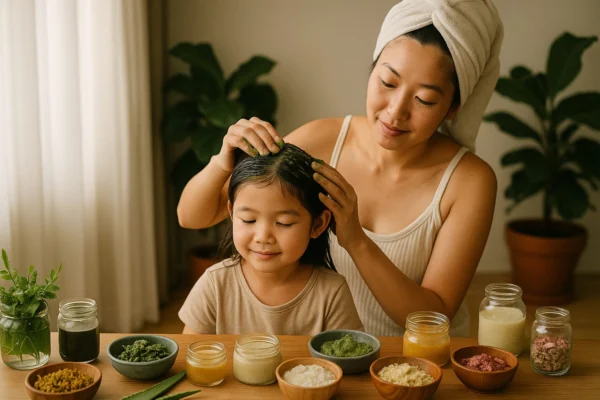
Herbs for the skin
Many herbs have a long tradition in skin care:
- Chamomile – soothing; in baths and toners
- Calendula – supports wound healing; in ointments for minor skin injuries
- Witch hazel – astringent and soothing
- Turmeric – anti-inflammatory; can stain the skin yellow
- Sage – reduces sweating
- Lavender – relaxing; can cause skin irritation in sensitive people
- Nettle – traditionally drunk as tea
Natural does not mean free of side effects: herbs can also cause allergies. People with a ragweed or daisy allergy often react to chamomile and calendula. Test new products on a small patch of skin first.
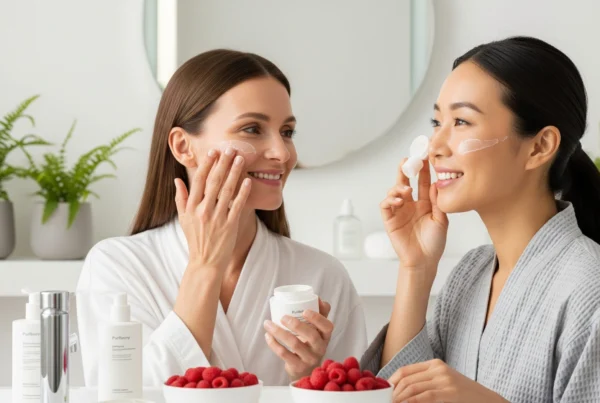
How to cleanse your face without overdoing it
Skin likes gentleness. Too much cleansing and scrubbing damages the skin barrier.
- Morning: lukewarm water or a mild cleanser
- Evening: a mild cleanser; with make-up or sunscreen, a double cleanse (oil, then a mild gel) can be useful
- Exfoliation: once a week at most – less often for sensitive skin
DIY gentle scrub:
1 tbsp finely ground oat flakes + 1 tbsp yogurt. Massage gently for one or two minutes and rinse.
Simple face masks
- Turmeric + honey + yogurt – soothing and moisturizing (use only a pinch of turmeric)
- Honey and oat flakes – for dry, sensitive skin
- Clay + water or hydrosol – absorbs excess oil, for oily skin
Use masks once or twice a week. Avoid lemon juice on the skin: it is very acidic and, combined with sunlight, can cause burns and pigment spots.
Oils and creams that nourish the skin
- Jojoba oil – similar to the skin’s own sebum, suitable for most skin types
- Rosehip oil – rich in linoleic acid and vitamin A derivatives, popular for scars and mature skin
- Hemp seed oil – light, for oily and blemish-prone skin
- Urea cream – binds moisture and softens dry, rough skin
- Retinol (in the evening) – one of the best-studied anti-aging ingredients; start slowly, as it can irritate; not during pregnancy
Tip: a few drops of hemp oil mixed into your night cream make a simple, nourishing treatment.
A spa at home
A few ingredients turn a bath into a little treat:
- Chamomile infusion – soothing and relaxing
- Flaxseed gel – coats and moisturizes the skin
- Milk and honey – softening and nourishing
Keep baths short and not too hot, and apply a moisturizer afterwards – long, hot baths dry out the skin.
Does your skin have a daily rhythm?
Yes – the skin follows a daily rhythm. During the day, protection is the priority; at night, repair processes are more active.
- Morning – antioxidant serum (e.g. vitamin C) + sunscreen
- Evening – cleansing + active ingredients (e.g. retinol)
- Night – richer creams as needed
A consistent routine and enough sleep often make a bigger difference than expensive products.
Is the sun friend or foe?
UV radiation is the main cause of premature skin aging and the most important risk factor for skin cancer. At the same time, the skin needs sunlight to produce vitamin D. In spring and summer, a short time in the sun with uncovered face, arms and hands is usually enough – depending on skin type, latitude and time of day.
The key is balance: avoid sunburn, seek shade at midday, wear a hat and clothing and use a tested sunscreen for longer periods outdoors. If you are concerned about your vitamin D levels, have them checked.
Which cosmetic ingredients should you watch out for?
Reading the ingredient list (INCI) helps, especially if you have sensitive skin:
- Fragrances/parfum – one of the most common causes of contact allergies; fragrance-free products are better for sensitive skin
- Formaldehyde and formaldehyde releasers – known allergens; their use in the EU is strictly limited
- SLS – a strong surfactant that can irritate sensitive skin, especially in leave-on products
- Some preservatives, such as methylisothiazolinone, which caused many allergies and has been restricted in the EU
Not everything that has a bad reputation is harmful: parabens are among the best-studied preservatives and are considered safe in the permitted concentrations, and cosmetic-grade mineral oil is well tolerated and rarely causes allergies. “Natural” is not automatically better tolerated – essential oils and plant extracts can also cause allergies.
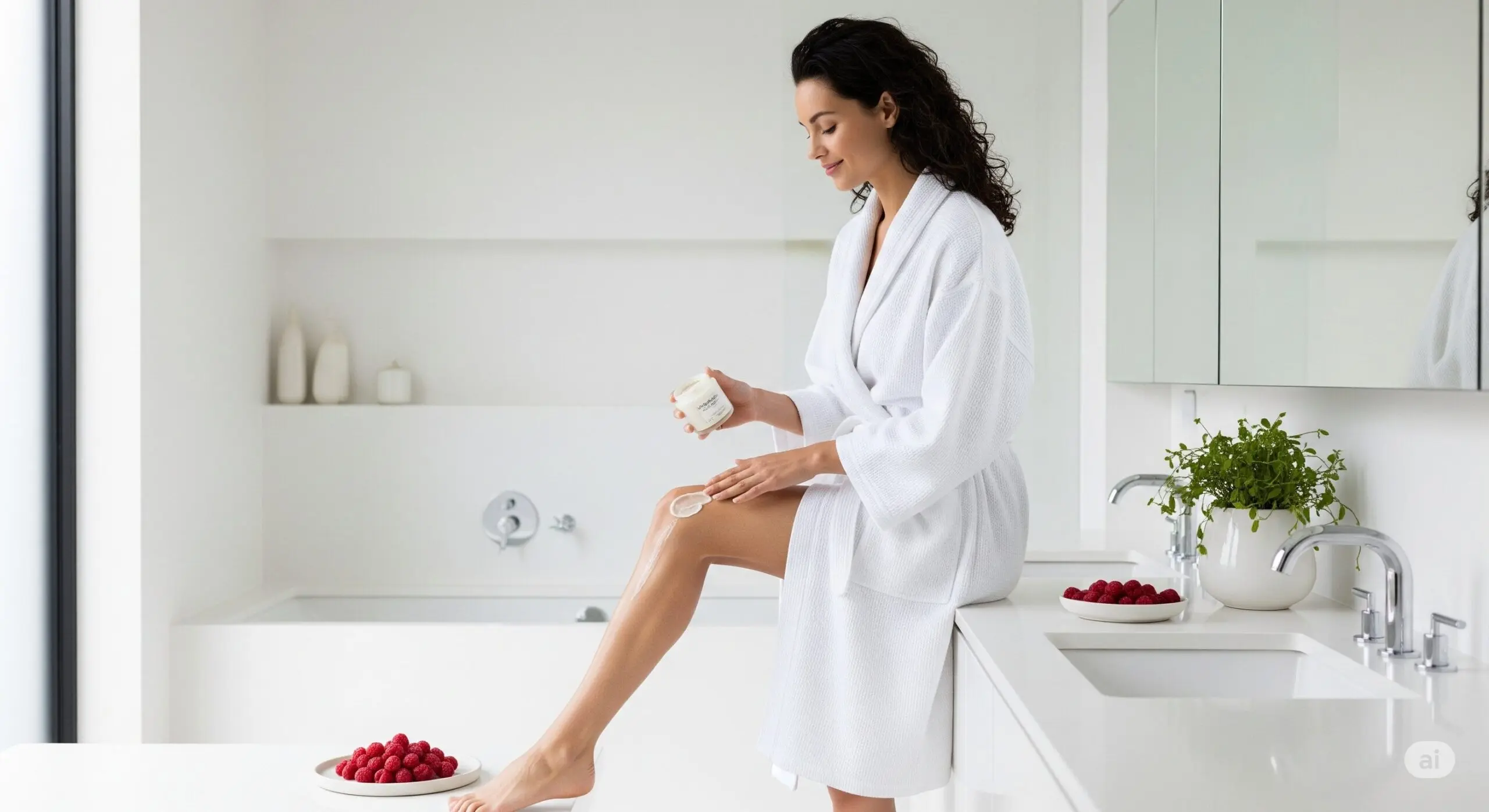
How to make your own body balm
Nourishing body balm:
Ingredients:
- 50 ml coconut oil
- 30 ml shea butter
- 10 ml sweet almond oil
- a few drops of vitamin E oil
- 5 drops of lavender essential oil (optional)
Melt the oils and butter in a water bath, stir and pour into a clean glass jar. Store in a cool place and use within three months.
Why you shouldn’t make your own sunscreen
Homemade sunscreens are often recommended online – for example with shea butter, raspberry seed oil and zinc oxide. They are not safe: the claim that raspberry seed oil has a high natural SPF is a myth, and zinc oxide is very hard to distribute evenly by hand. Studies of DIY sunscreen recipes found that most offered little or uneven protection.
Use a tested sunscreen with an SPF of at least 30 – mineral filters such as zinc oxide or titanium dioxide are available for people who prefer them. Shade, hats and clothing are also important.
After-sun care
Aloe cooling gel:
- 50 ml aloe vera gel
- 1 tsp jojoba oil
- 3 drops lavender essential oil (optional)
Soothing lotion:
- 100 ml oat milk (or calendula tea)
- 1 tbsp borage oil
- 1 tsp honey
Both soothe mildly irritated skin after sun exposure. Keep the lotion in the fridge and use within a few days. With blistering sunburn, fever or chills, see a doctor.
Nourishing your skin through your diet
Your body needs the following to build collagen:
- vitamin C and zinc
- enough protein
- a varied diet with vegetables, fruit, nuts and seeds
Whether collagen supplements improve the skin is being studied; some studies show slightly better skin moisture and elasticity. Not smoking and good sun protection are among the most effective things you can do for your skin.
In summary
Healthy skin needs less than the beauty industry suggests: gentle cleansing, enough moisture, good sun protection, a varied diet, sleep and as little stress as possible. Natural ingredients can be a nice addition – as long as you test them carefully and don’t rely on them for sun protection.