Cucurbita pepo
Description and characteristics
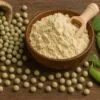
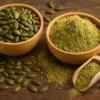
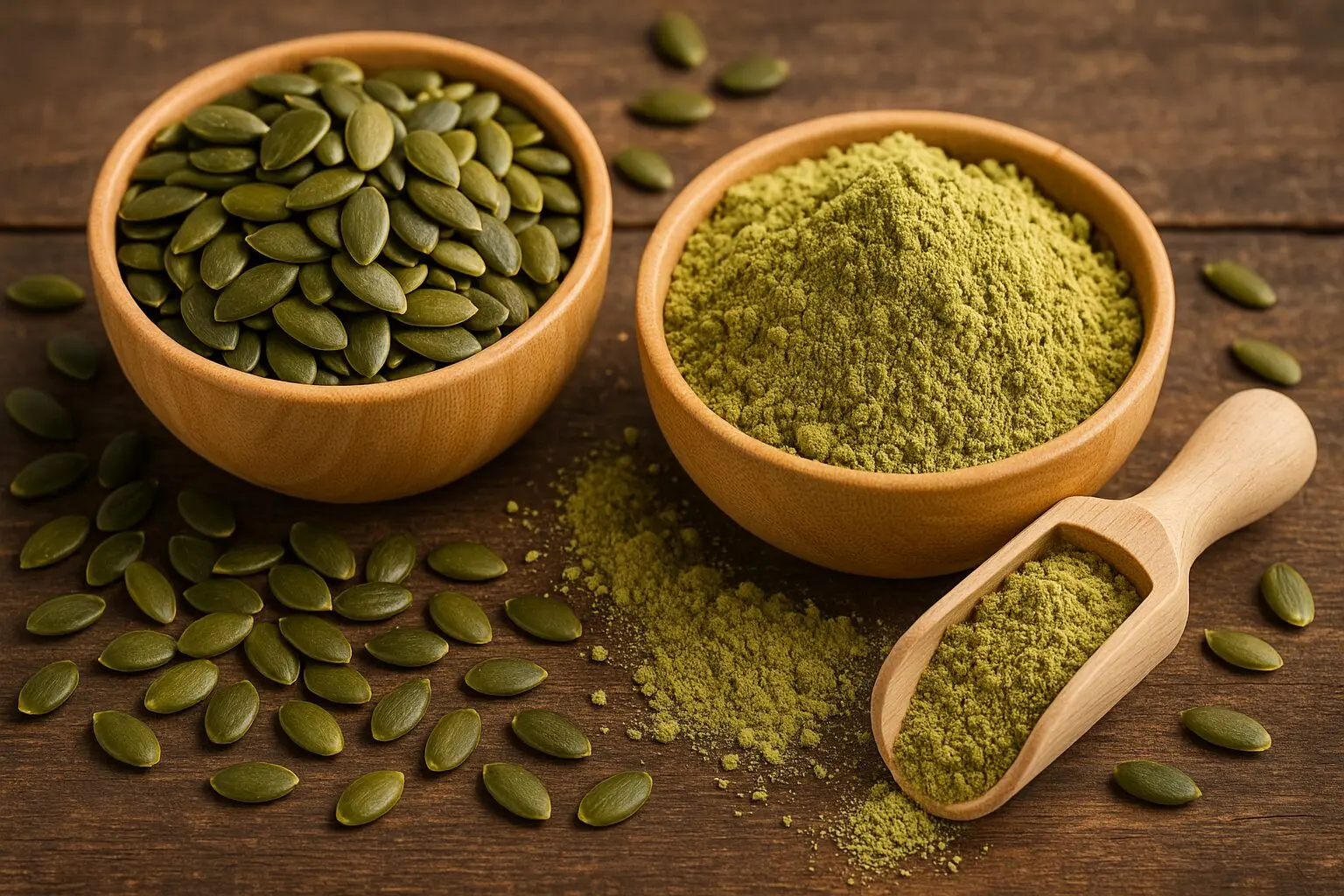
Pumpkin seed protein is a green powder made from defatted pumpkin seeds. After the oil has been cold-pressed out, the remaining seed cake is gently dried and finely ground. The result is a protein-rich powder with a mild, nutty flavor that is naturally gluten-free and lactose-free and suitable for plant-based diets.
Depending on the product, it contains up to 65% protein, as well as zinc, magnesium, iron and potassium. It works in both savory and sweet recipes.
Health benefits
- Zinc supports the immune system, skin and wound healing
- Magnesium is involved in muscle and nerve function and in blood sugar regulation
- Protein and fiber with few carbohydrates – helps keep blood sugar stable as part of a balanced diet
- Contains plant sterols, which may contribute to lower LDL cholesterol in larger amounts
- Provides tryptophan, an amino acid the body uses to make serotonin and melatonin
Pumpkin seed oil and extracts are being studied for relieving urinary symptoms in men with an enlarged prostate, with some positive results. Protein powder contains far less of the oil. There is no evidence that pumpkin seed protein helps specifically with ADHD, leaky gut or hormonal imbalance.
Uses in cooking, folk medicine, cosmetics and gardening
In the kitchen:
Good in smoothies, vegetable spreads, creamy soups, muffins, energy balls, or as a binder in sauces and vegan patties.
In folk medicine:
Pumpkin seeds have traditionally been used against intestinal worms and to support the bladder and prostate. The evidence for these uses is limited.
In cosmetics:
Pumpkin seed oil, rich in vitamin E and unsaturated fatty acids, is used in masks and nourishing balms.
In the garden:
Pumpkin leaves and pulp make good compost, and the press cake can be used as an organic fertilizer.
Nutritional profile (per 100 g)
| Nutrient | Amount |
|---|---|
| Calories | ~400 kcal |
| Protein | 60–65 g |
| Fat | 10–12 g (unsaturated) |
| Carbohydrates | 8–10 g |
| Fiber | 5–7 g |
| Zinc | 7–8 mg |
| Magnesium | 500–550 mg |
| Iron | 8–12 mg |
| Potassium | 1000–1200 mg |
| Tryptophan | ~600 mg |
Did you know?
Pumpkins were among the first plants cultivated in the Americas – archaeological finds in Mexico date back around 10,000 years. Early varieties had little flesh, and people grew them mainly for their nutritious seeds.
Pumpkin seeds are among the plant foods richest in tryptophan. Whether eating more tryptophan-rich foods noticeably improves mood or sleep has not been clearly shown, as many other factors play a role.
How to eat it and what to pair it with
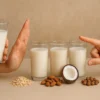
- In a smoothie with banana, plant-based milk and cocoa
- Stirred into warm oatmeal with cinnamon and dried plums
- As a base for pesto or a roasted eggplant dip
- With vitamin C-rich foods such as peppers, berries or citrus for better iron absorption
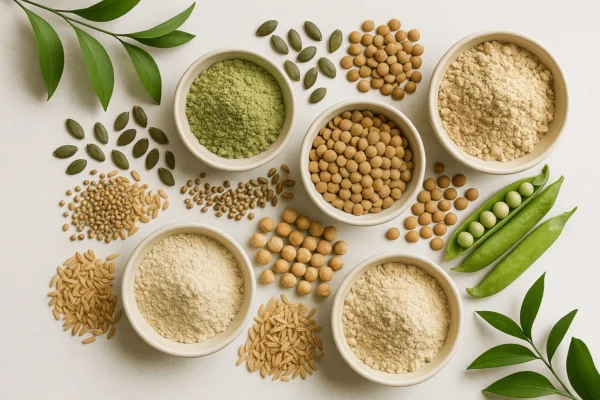
- Combined with pea or soy protein to make up for its lower lysine content
A typical serving is one to two tablespoons (10–20 g).
Recipe: pumpkin seed and wild garlic spread
Ingredients:
– 1/2 cup pumpkin seed protein
– 1/4 cup olive oil
– A handful of wild garlic (or arugula)
– 1 tbsp lemon juice
– Salt and pepper to taste
Blend all ingredients until smooth. Use as a dip for raw vegetables or as a spread on bread.
Where it grows and how it’s made
Pumpkins are grown worldwide – from North America and Central Europe to China and India. Pumpkin seed protein is produced by cold-pressing the seeds for oil and then finely grinding the remaining seed cake, without chemical solvents. Look for organic products that have been tested for contaminants.
In summary
Pumpkin seed protein is a versatile, mineral-rich plant protein. It is a useful addition to a varied diet – especially for people who eat little meat – but not a cure-all.