Anacardium occidentale
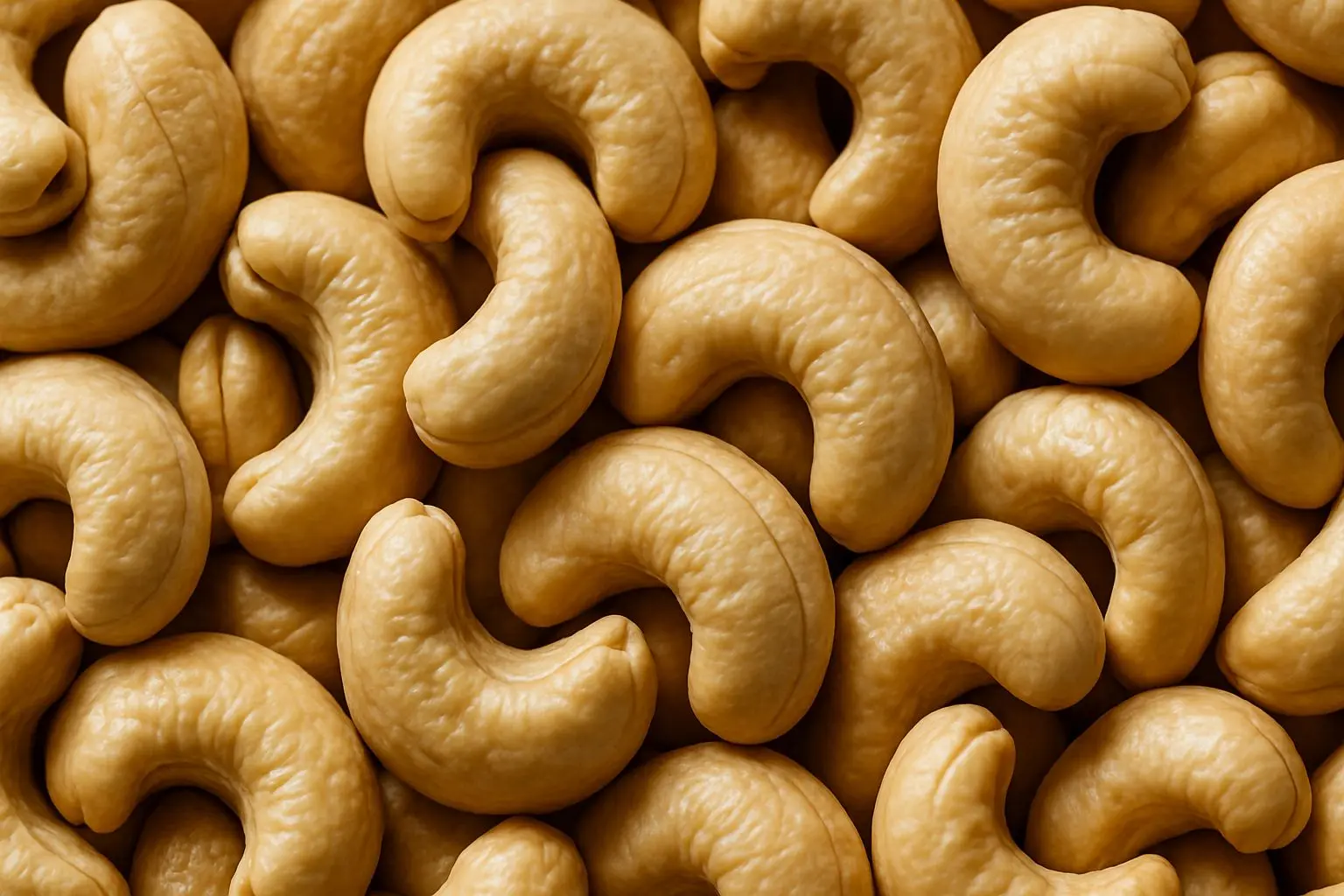
Cashews are probably the most popular nut for cooking: mild, slightly sweet and creamy enough to turn into sauces, dairy-free cheese and milk. They are also a good source of magnesium, zinc, iron and healthy fats.
What makes cashews special?
Compared with other nuts, cashews have a little more carbohydrate and a softer texture, which is why they blend so well. They provide monounsaturated fats, plant protein and an impressive amount of minerals – a 30 g handful covers around a fifth of your daily magnesium needs.
Health benefits of cashews
1. Good for the heart
The monounsaturated and polyunsaturated fats in cashews can help improve cholesterol levels when they replace saturated fats in the diet. Studies on nut consumption in general show a lower risk of heart disease.
2. Supports the bones
Magnesium, phosphorus and vitamin K all contribute to healthy bones, and cashews provide all three.
3. Nutrients for brain and mood
Magnesium is involved in nerve function and stress regulation, and cashews also supply copper and B vitamins needed for energy metabolism in the brain.
4. Antioxidants for the eyes
Cashews contain small amounts of lutein and zeaxanthin, antioxidants that accumulate in the retina. Leafy greens are a much richer source, but cashews add to the total.
5. Supports the immune system
Zinc and copper are both needed for a well-functioning immune system, and cashews are one of the better plant sources of zinc.
Nutritional value of cashews (per 100 g)
| Nutrient | Amount |
|---|---|
| Calories | 553 kcal |
| Protein | 18.2 g |
| Fat | 43.9 g |
| Carbohydrates | 30.2 g |
| Sugar | 5.9 g |
| Fiber | 3.3 g |
| Magnesium | 292 mg |
| Zinc | 5.8 mg |
| Iron | 6.7 mg |
| Vitamin K | 34.1 µg |
Cashew myths, checked
“Raw cashews are really raw.”
Not quite. The shell contains irritating compounds related to the urushiol in poison ivy, so all cashews are heat-treated (steamed or roasted) before they are shelled. “Raw” cashews have simply not been roasted again afterwards.
“They are too fatty to be healthy.”
Their fats are mainly the unsaturated kind. Eaten in normal portions, cashews fit well into a healthy diet and are linked to better, not worse, weight control.
“They are not real nuts.”
Correct: botanically, the cashew is a seed that grows at the end of the cashew apple, a fleshy fruit.
Worth knowing
- Don’t shell them yourself. The shell liquid causes skin burns, which is why cashews are always sold shelled.
- Cashew butter is smoother and slightly sweeter than peanut butter.
- The cashew apple is eaten fresh or juiced in Brazil and India and is rich in vitamin C.
How to use cashews
- Cashew cream – blend soaked cashews with garlic, lemon and water for a dairy-free sauce.
- Homemade vegan cheese – with nutritional yeast and a probiotic culture.
- In stir-fries – for crunch and a mild nutty flavor.
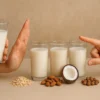
- Cashew milk – very creamy, good in coffee and smoothies.
Summary
Cashews combine healthy fats with an unusually high mineral content and are one of the most versatile nuts in the kitchen. A small handful a day, plain or blended, is a simple way to benefit from them.