Introduction: why food matters in ADHD
Food does not cause or cure ADHD, but it is often overlooked as part of the bigger picture. The brain is largely made of fat, runs on glucose and depends on neurotransmitters such as dopamine, whose production requires protein, vitamins and minerals from the diet.
Many people with ADHD notice that their symptoms – inattention, impulsivity, restlessness – get worse with:
- swings in blood sugar,
- poor sleep and inflammation,
- digestive problems,
- nutrient deficiencies (for example iron, zinc, magnesium or omega-3).
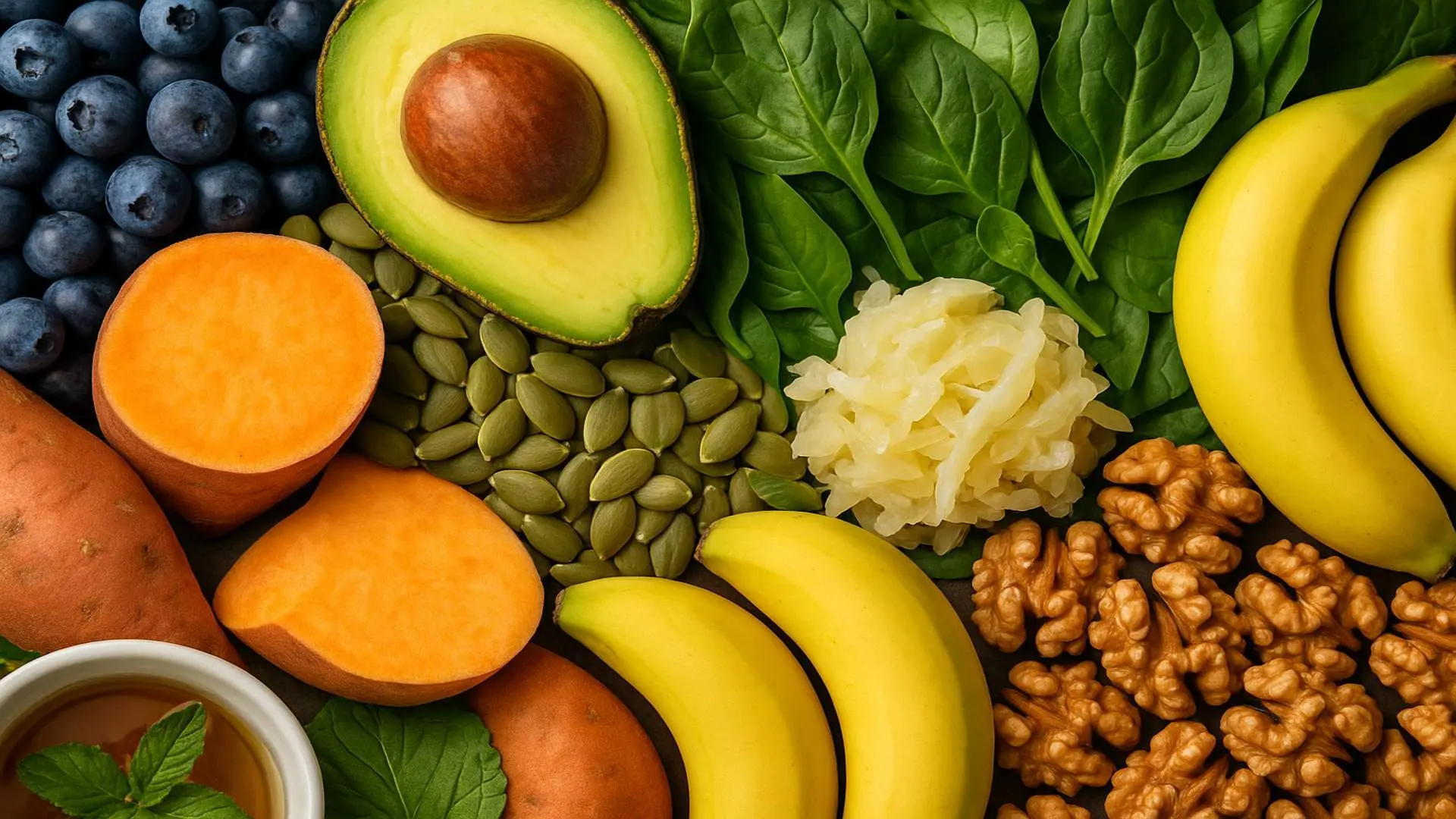
The aim is not to find a “magic food” that replaces treatment, but to build a nourishing base that makes everything else work better. Here are ten foods that can help.
1. Wild blueberries – antioxidants for the brain
Wild blueberries are particularly rich in anthocyanins, plant pigments that:
- may support memory and concentration,
- have anti-inflammatory effects,
- can reach the brain.
Studies on berries and flavonoid-rich foods show benefits for memory and some aspects of attention in children and adults. There are no studies specifically on ADHD, but berries are an easy, low-sugar addition to any diet.
Tip: Add them to smoothies or overnight oats, or serve them frozen as a snack.
Read more: Wild Blueberries – A Forest Superfood
2. Avocados – healthy fats for steady energy
Avocados provide monounsaturated fats, fiber and magnesium. Combined with protein, they help keep blood sugar and energy steady, which can reduce:
- dips in attention,
- irritability,
- “hangry” meltdowns between meals.
Magnesium is involved in nerve signaling, and low levels have been found more often in children with ADHD.
Good with: boiled eggs, leafy greens or on seed crackers.
3. Oily fish – omega-3 for focus
Salmon, mackerel, herring and sardines are rich in DHA and EPA, omega-3 fatty acids that:
- are building blocks of nerve cell membranes,
- are involved in signal transmission in the brain,
- have anti-inflammatory effects.
Children and adults with ADHD often have lower omega-3 levels. Studies on supplements show small but measurable improvements in attention and hyperactivity, especially in those with low levels.
Note: If you don’t eat fish, algae-based omega-3 supplements are a plant-based alternative.
4. Pumpkin seeds – zinc, iron and magnesium
Pumpkin seeds provide zinc, iron, magnesium and tryptophan. These nutrients are needed for:
- dopamine production,
- nerve function,
- preventing fatigue.
Zinc and iron deficiencies are more common in children with ADHD, and correcting a proven deficiency can improve symptoms. Have levels checked before giving supplements.
Snack idea: Roast with a little olive oil and salt – good for lunchboxes.
5. Spinach – magnesium, iron and folate
Spinach is high in magnesium, iron and folate. Folate is needed to produce neurotransmitters such as dopamine and serotonin, and magnesium helps regulate the excitatory messenger glutamate.
Try it: in omelets and smoothies, or lightly steamed with lemon and olive oil.
Read more: Spinach – A Green Ally for Everyday Health
6. Fermented vegetables – for the gut-brain axis
Sauerkraut, kimchi and beet kvass contain live lactic acid bacteria (if unpasteurized) that support a diverse gut microbiome. A healthy gut is linked to:
- better mood regulation,
- better nutrient absorption,
- less “brain fog”.
Research on the gut-brain axis in ADHD is young but growing, and some studies have found differences in the microbiome of children with ADHD.
Start small: one tablespoon of sauerkraut or a small glass of beet kvass with a meal.
Read more: Leaky Gut and ADHD: The Gut-Brain Connection
7. Bananas – vitamin B6 and gentle energy
Bananas are a good source of vitamin B6, which is needed to convert amino acids into serotonin and dopamine. Combined with protein or fat, they provide steady energy without a sharp sugar spike.
Good with: nut butter, in chia pudding or on porridge.
8. Sweet potatoes – steady carbohydrates
Sweet potatoes provide complex carbohydrates, fiber and beta-carotene. Unlike white bread or sugary cereals, they release energy slowly – useful before school or work.
Roast them in wedges with herbs or mash them with a pinch of cinnamon.
9. Walnuts – plant omega-3 and polyphenols
Walnuts contain ALA (plant omega-3), vitamin E and polyphenols that protect nerve cells from oxidative stress. Studies link regular walnut consumption with better cognitive performance.
Tip: Keep a small jar at your desk or in your bag for snacks.
10. Herbal teas – for calmer evenings
Herbal teas are not food in the strict sense, but a warm, caffeine-free drink can become a helpful evening ritual. Commonly used calming herbs include:
- Lemon balm – for restlessness,
- Chamomile – for winding down and sleep,
- Tulsi (holy basil) – traditionally used for stress.
Adaptogens such as ashwagandha are sometimes used by adults; for children, ask a doctor first.
In-depth guide: Natural Herbs and Supplements for ADHD
How to build an ADHD-friendly plate
A supportive diet for ADHD is:
- colorful – lots of vegetables, fruit and berries,
- high in fiber – for steady blood sugar and a healthy gut,
- rich in protein – especially at breakfast,
- low in highly processed foods and added sugar,
- rich in good fats – nuts, seeds, olive oil and oily fish.
A sample lunchbox
- Wild blueberry smoothie with flaxseed and spinach
- Boiled egg with avocado and pumpkin seeds
- Sweet potato wedges
- Sauerkraut or pickled cucumber
- A banana or a square of dark chocolate
- Water or herbal tea
Food is not a cure – but it is a foundation
No diet replaces professional diagnosis and treatment, structure, sleep, exercise and emotional support. But a good diet can make all of these work better.
It is less about banning foods and more about regularly adding good ones. Many families report that steady meals with enough protein lead to calmer mornings and fewer energy crashes – but every child is different.
Shopping list
| Category | Items |
|---|---|
| Fruits | Wild blueberries, bananas |
| Vegetables | Spinach, sweet potatoes, fermented vegetables |
| Proteins | Eggs, lentils, oily fish |
| Fats | Avocado, walnuts, olive oil |
| Extras | Pumpkin seeds, flaxseeds, dark chocolate |
| Drinks | Herbal teas, beet kvass, bone broth |
Better to limit
- Sugary breakfast cereals
- Drinks with artificial colorings (some studies link certain colorings to hyperactivity in sensitive children)
- Energy drinks and cola
- Highly processed snack bars
- Gluten – only if a sensitivity or celiac disease has been diagnosed
Further reading
- What Is ADHD Really? Root Causes Explained
- Natural Herbs and Supplements for ADHD
- Leaky Gut: How to Heal Your Gut Barrier
- How to Improve Sleep in Children with ADHD
Final thoughts
If ADHD is part of your family’s life, you deserve tools that are practical and safe. A diet built on real food will not change everything overnight, but it can contribute to steadier energy, better sleep and calmer days – one meal at a time.