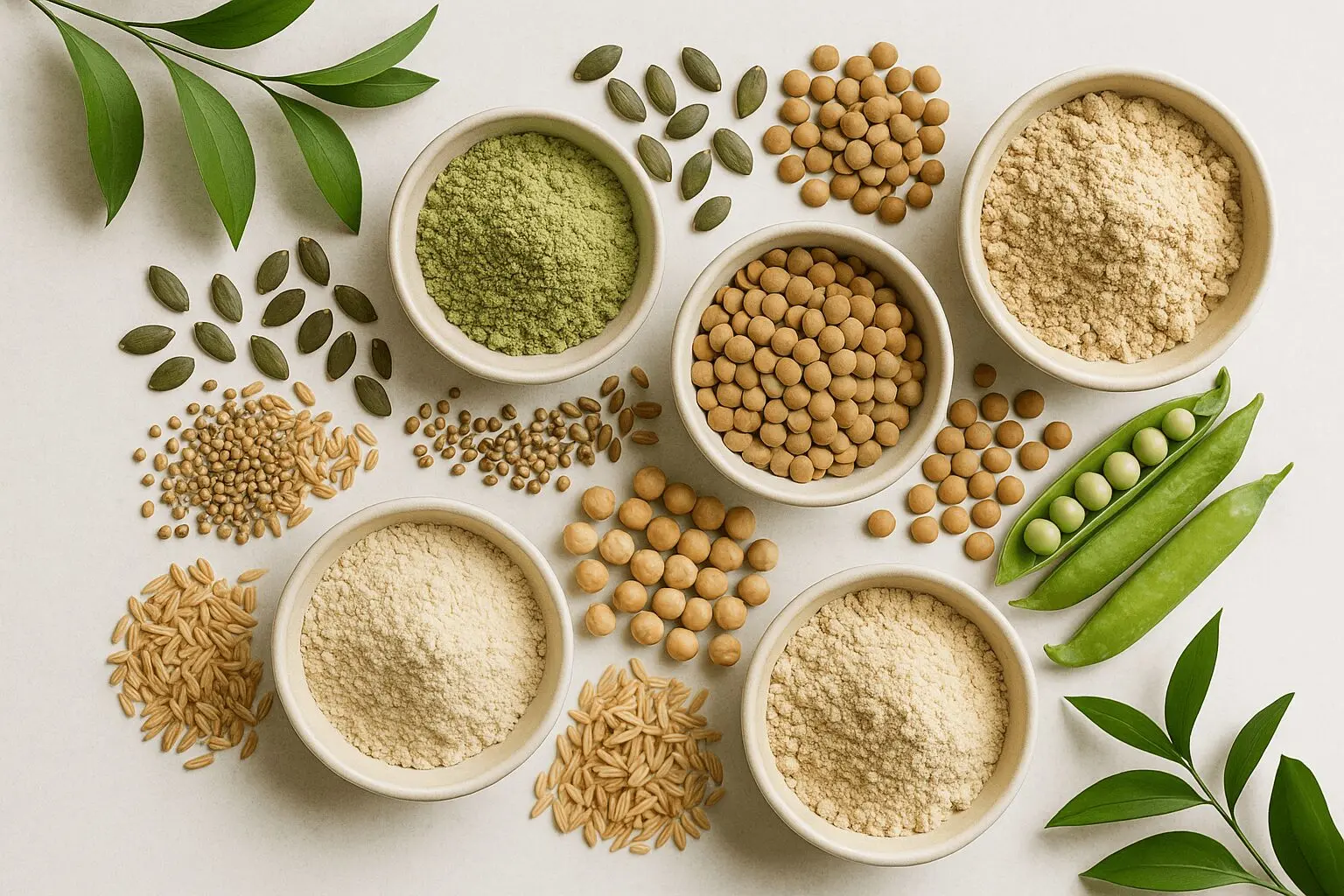
Protein from plants – what each source offers
Plant-based protein powders are a practical way to get more protein for muscle maintenance, recovery and satiety without relying on animal products. They also suit people who avoid dairy because of lactose intolerance or allergies.
The protein powders we feature come from plants such as peas, lentils, chickpeas, pumpkin seeds, hemp and rice, and are free from artificial flavors, sweeteners and dairy fillers.
Most plant proteins are easy to digest and rarely cause allergies. Each source has its own amino acid profile; essential amino acids are the ones your body cannot make itself and needs to build muscle, enzymes and hormones. Some plant proteins are low in one or two of them, which is why blends (for example pea and rice) are popular. Below is an overview of the most common sources.
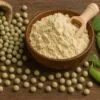
Pea protein (Pisum sativum)
Pea protein is one of the most widely used plant proteins. It is rich in lysine, arginine and leucine – the last of which is particularly important for muscle protein synthesis.
Nutritional values (per 100 g):
Protein: 80 g
Fat: 6 g
Carbohydrates: 1.5 g
Fiber: 1.2 g
Iron: 7.5 mg
Magnesium: 110 mg
Good to know:
With very few carbohydrates, pea protein has little effect on blood sugar.
Chickpea protein (Cicer arietinum)
Mild and slightly nutty, with fiber, iron and a reasonable amount of methionine. It works well in baking as well as in shakes.
Nutritional values (per 100 g):
Protein: 65 g
Fat: 6 g
Carbohydrates: 12 g
Fiber: 4 g
Iron: 6 mg
Good to know:
Chickpeas were a staple food in ancient Greece and Rome.
Hemp protein (Cannabis sativa)
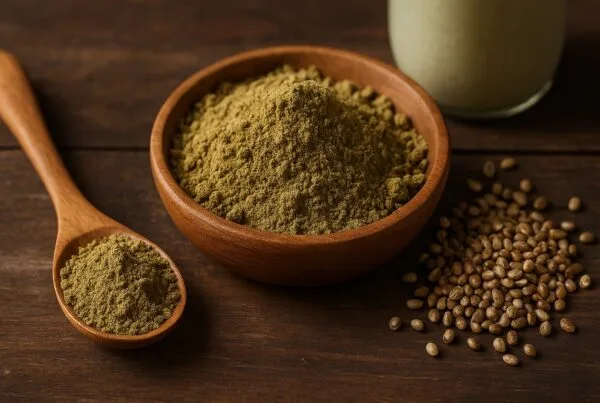
Hemp protein contains all essential amino acids, a good ratio of omega-3 to omega-6 fatty acids and a lot of fiber. Much of its protein is edestin, which is particularly easy to digest.
Nutritional values (per 100 g):
Protein: 50 g
Fat: 11 g
Omega-3: 2 g
Fiber: 20 g
Magnesium: 600 mg
Good to know:
Hemp grows quickly with little water and few pesticides, which makes it one of the more sustainable protein crops.
Lentil protein (Lens culinaris)
Rich in iron, B vitamins and folate, and gentle on digestion – a good option for children and older adults.
Nutritional values (per 100 g):
Protein: 70 g
Fat: 2.5 g
Carbohydrates: 6 g
Fiber: 8 g
Folate: 100 µg
Good to know:
Lentils have been cultivated in the Middle East for more than 10,000 years, making them one of the oldest protein sources we know.
Rice protein (Oryza sativa)
One of the least allergenic proteins, with a neutral taste. On its own it is low in lysine, so it is usually combined with other plant proteins.
Nutritional values (per 100 g):
Protein: 80 g
Fat: 1.5 g
Carbohydrates: 4 g
Fiber: 2 g
Iron: 3 mg
Good to know:
Rice and pea protein complement each other well; together their amino acid profile comes close to that of whey or egg protein.
Pumpkin seed protein (Cucurbita pepo)
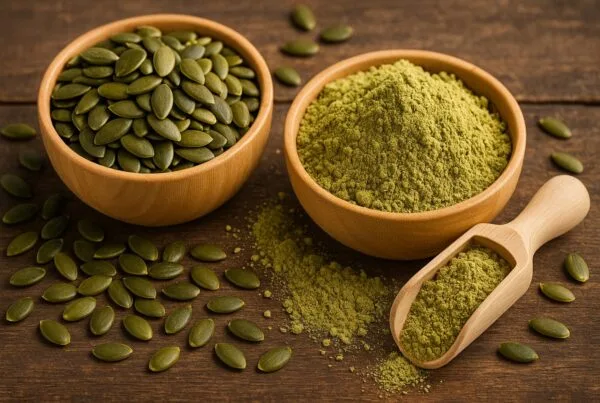
A green powder rich in zinc, magnesium, phytosterols and antioxidants, with a mild nutty taste.
Nutritional values (per 100 g):
Protein: 60 g
Fat: 10 g
Fiber: 7 g
Zinc: 7 mg
Magnesium: 550 mg
Good to know:
Pumpkin seeds have a long tradition in folk medicine for prostate and bladder health, and some modern studies support their use for an enlarged prostate.
Amaranth protein (Amaranthus cruentus)
Amaranth is high in lysine, an amino acid that most grains lack. It is also gluten-free and may help keep blood sugar steady thanks to its fiber.
Nutritional values (per 100 g):
Protein: 65 g
Fat: 7 g
Carbohydrates: 10 g
Fiber: 6 g
Magnesium: 250 mg
Good to know:
Amaranth was a staple crop of the Aztecs.
Sunflower seed protein (Helianthus annuus)
Mild and easy to digest, with methionine, zinc and plenty of vitamin E. A good choice if you avoid soy, dairy and gluten.
Nutritional values (per 100 g):
Protein: 55 g
Fat: 8 g
Carbohydrates: 7 g
Fiber: 6 g
Vitamin E: 35 mg
Good to know:
Indigenous peoples of North America used sunflowers as both food and medicine long before they reached Europe.
Lupin protein (Lupinus albus)
One of the most protein-rich plant sources, with a high protein content after processing and naturally prebiotic fibers that feed beneficial gut bacteria. Note that lupin is a recognized allergen, especially for people allergic to peanuts.
Nutritional values (per 100 g):
Protein: 85–90 g
Fat: 3 g
Carbohydrates: 2 g
Fiber: 4 g
Calcium: 150 mg
Good to know:
Lupin seeds were a common food in ancient Rome.
Chia seed protein (Salvia hispanica)
A source of tryptophan, omega-3 fatty acids and fiber, which support digestion and are involved in mood and sleep regulation.
Nutritional values (per 100 g):
Protein: 60 g
Fat: 8 g
Fiber: 15 g
Calcium: 250 mg
Magnesium: 300 mg
Good to know:
Chia was a staple of the Maya and Aztecs and was valued as an energy food for long journeys.
Sesame protein (Sesamum indicum)
Rich in methionine, calcium and zinc, which support bones, skin and the nervous system.
Nutritional values (per 100 g):
Protein: 60 g
Fat: 8 g
Fiber: 9 g
Calcium: 700 mg
Iron: 9 mg
Good to know:
Sesame is one of the oldest oilseed crops and was a symbol of long life in ancient India.
Almond protein (Prunus dulcis)
A delicate, easily digestible protein with plenty of vitamin E and magnesium.
Nutritional values (per 100 g):
Protein: 55 g
Fat: 10 g
Fiber: 9 g
Vitamin E: 24 mg
Calcium: 270 mg
Good to know:
Almonds were once a luxury food and a symbol of prosperity.
Flaxseed protein (Linum usitatissimum)
Rich in lignans, omega-3 fatty acids and fiber, which support digestion and may influence hormonal balance.
Nutritional values (per 100 g):
Protein: 45 g
Fat: 10 g
Fiber: 20 g
Magnesium: 350 mg
Zinc: 4.5 mg
Good to know:
Flax was cultivated in ancient Egypt, both for its seeds and for linen.