Helianthus annuus L.
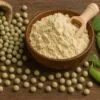
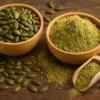
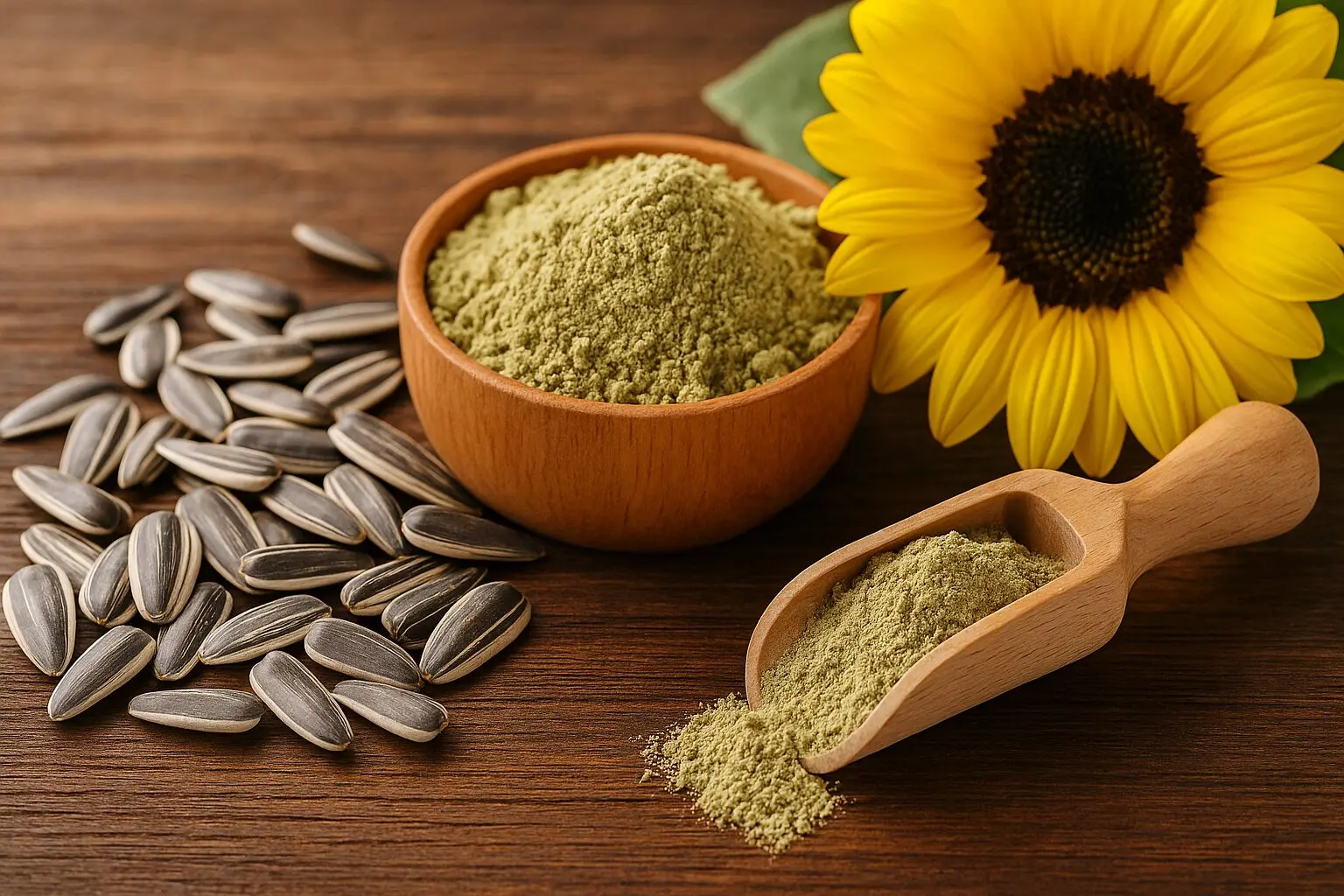
Sunflower seed protein is a plant-based protein powder made from sunflower seeds after most of the oil has been pressed out. It is free of soy, dairy and gluten, and sunflower allergies are relatively rare – which makes it a good option for people who need to avoid common allergens.
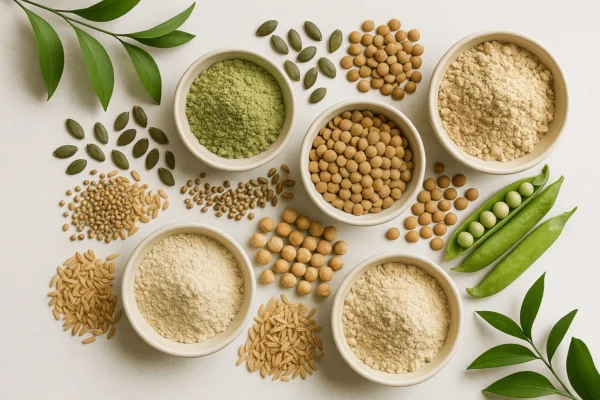
It has a mild, slightly nutty taste and provides a good amount of methionine, an amino acid that is often scarce in legume-based proteins such as pea protein. Its weak point is lysine, so it combines well with pea or other legume proteins. It also contains magnesium, phosphorus, selenium and B vitamins.
Nutritional values (per 100 g)
| Nutrient | Amount |
|---|---|
| Energy | 340 kcal |
| Protein | 55 g |
| Total fat | 9 g |
| – Saturated fat | 1.5 g |
| Carbohydrates | 11 g |
| – Sugars | 2 g |
| Fiber | 8 g |
| Magnesium | 350 mg |
| Phosphorus | 600 mg |
| Selenium | 55 µg |
| Vitamin B6 | 1 mg |
Fun fact
Young sunflowers really do follow the sun: their heads turn from east to west during the day and back again at night. Once they bloom, most of them stop moving and face east – which warms the flowers in the morning and attracts more bees.
A kitchen tip: sunflower seeds and sunflower protein contain chlorogenic acid, which can turn baked goods green when combined with baking soda. It is harmless – adding a little lemon juice or vinegar to the batter prevents it.
How to use sunflower seed protein
- Add to smoothies, oatmeal, muffins, waffles or bars
- Use in savory dishes such as veggie burgers, spreads or soups
- Combine with pea or other legume proteins for a more complete amino acid profile
- A typical serving is 20–30 g
Health benefits
- Protein for muscle maintenance and satiety
- Methionine – complements legume proteins
- Magnesium – important for muscles, nerves and blood sugar regulation
- Selenium – contributes to the protection of cells from oxidative stress and to thyroid function
- Vitamin B6 – involved in the production of neurotransmitters and in energy metabolism
- Fiber and moderate carbohydrates – a good fit for a blood sugar-friendly diet
Sunflower protein is a nutritious food, not a treatment. There is no evidence that it specifically helps with ADHD, improves insulin sensitivity or supports “detox”. Sunflowers can absorb cadmium from the soil, so it is worth choosing tested organic products.
Healthy breakfast idea
Sunshine oatmeal
Cook oats in almond milk, stir in 1 tbsp sunflower protein, and add half a banana, a handful of blueberries and a drop of vanilla. Sprinkle with chia seeds.
Mango and turmeric smoothie
- 1/2 mango
- 1 handful of spinach
- 1 tbsp sunflower seed protein
- 1/2 tsp turmeric
- 200 ml coconut milk
Blend well and serve chilled – refreshing after an active day.
In summary
Sunflower seed protein is a mild, well-tolerated plant protein and a good alternative for people with allergies. Combined with legume proteins, it helps cover your amino acid needs in a plant-based diet.