Intestinal parasites
Parasites are organisms that live on or in another organism – the host – and benefit at its expense. Worldwide, intestinal parasites are very common, especially in regions with poor sanitation. In Europe and North America, they are much rarer, but pinworms in children, giardia after travel or infections from undercooked meat still occur.
This article explains which parasites exist, how you can become infected, which symptoms they cause, how they are diagnosed and treated – and what natural remedies can and cannot do.
Which parasites are there?
Parasites are a very diverse group. They can be roughly divided into:
| Parasite Category | Characteristics | Subcategories / Examples |
| Protozoa | Single-celled organisms that can multiply in the human body. | Giardia lamblia (giardiasis), Entamoeba histolytica (amoebic dysentery), Cryptosporidium. |
| Helminths (Worms) | Multicellular organisms; most do not multiply inside the human body. | |
| Platyhelminths (Flatworms) | Flat-bodied worms. | Tapeworms (Taenia saginata, Taenia solium), flukes (Fasciola hepatica). |
| Nematoda (Roundworms) | Round-bodied worms. | Ascaris lumbricoides (human roundworm), Enterobius vermicularis (pinworms), hookworms. |
| Ectoparasites | Live on the surface of the body. | Lice, fleas, ticks, scabies mites. |
Parasites or their eggs can be found in soil, contaminated water, undercooked meat or fish, unwashed vegetables and fruit, and on animals.
How do you get infected – and who is most at risk?
Most intestinal parasites are transmitted through contaminated food or water, or through hands that have come into contact with feces, soil or animals. Typical routes of infection:
- drinking untreated water, for example from streams or in countries with poor water supply
- eating undercooked meat or fish
- eating unwashed vegetables, fruit or salad
- poor hand hygiene, especially after using the toilet and before eating
- contact with animals, including pets
Groups at increased risk:
| At-Risk Group | Reason for Increased Risk |
| Children | Frequent contact with soil and sand and a tendency to put their hands in their mouths. Pinworms spread easily in nurseries and schools. |
| Individuals with weakened immune systems | Infections can be more severe and last longer, for example with Cryptosporidium. |
| Travelers | Especially to countries with poor sanitation. Drink bottled or boiled water, avoid ice cubes and raw foods, and wash your hands often. |
| Pet owners | Dogs and cats can transmit certain worms. Regular deworming of pets and hand washing reduce the risk. |
Diseases and symptoms
Parasites can cause anything from no symptoms at all to serious illness. Worldwide, malaria, caused by the single-celled parasite Plasmodium, is the most dangerous parasitic disease. In children in poorer countries, intestinal worms contribute to malnutrition, anemia and developmental delays.
The symptoms of intestinal parasites are often non-specific:
| Type of Symptom | Examples |
| Digestive issues | Abdominal pain, diarrhea, bloating, nausea; with giardia often greasy, foul-smelling diarrhea. |
| Fatigue and weakness | Due to nutrient malabsorption or blood loss. |
| Itching | Pinworms typically cause anal itching, especially at night. |
| Sleep disturbances | Especially with pinworms in children. |
| Anemia | For example with hookworm infection, due to blood loss. |
| Weight loss | With long-lasting infections, e.g. giardia or tapeworms. |
| Neurological symptoms | Rare, if parasites reach the nervous system (e.g., seizures with neurocysticercosis). |
Many of these symptoms can have other causes. Persistent digestive problems – especially after travel – should always be examined by a doctor.
Diagnosis
Parasites are usually diagnosed with these tests:
| Diagnostic Method | Description |
| Stool test (microscopy) | Several samples on different days increase the chance of detecting eggs, larvae or cysts. |
| Stool antigen or PCR tests | Detect specific parasites such as Giardia, Cryptosporidium or Entamoeba very reliably. |
| Tape test | For pinworms: transparent tape is pressed onto the skin around the anus in the morning and examined under a microscope. |
| Blood tests | Antibodies against certain parasites or raised eosinophils (a type of white blood cell) can indicate worm infections, especially outside the gut. |
| Imaging and endoscopy | Ultrasound, CT or MRI for cysts in organs such as the liver; endoscopy or colonoscopy in unclear cases. |
Be cautious with alternative tests that claim to detect parasites through bioresonance, hair analysis or “live blood analysis” – they are not scientifically validated and often lead to false diagnoses.
Treatment
Most intestinal parasites can be treated quickly and effectively with medication. Pinworms, for example, are usually treated with a single dose that is repeated after two weeks – ideally for the whole family. Giardia and other protozoa also respond well to specific medications.
What about natural remedies?
Many plants are traditionally used against parasites, and some have antiparasitic effects in the laboratory. However, there are hardly any reliable human studies, and no natural remedy has been shown to be as effective as medication. Some are not harmless: wormwood contains thujone, which can damage the nervous system in larger amounts, and black walnut can harm the liver. Herbal “parasite cleanses” can also delay the right diagnosis and treatment.
Supporting your gut
A healthy gut and a strong immune system cannot prevent every infection, but they help the body cope with infections and recover afterwards:
Whole-food nutrition
A diet rich in vegetables, fruit, whole grains, legumes and healthy fats feeds the beneficial gut bacteria. Little sugar and few highly processed foods are good for your gut flora.
Fermented foods
Sauerkraut, kimchi, kefir and natural yogurt with live cultures contain beneficial bacteria. Some probiotics are being studied as a supplement to the treatment of giardia, with mixed results.
Fiber
Vegetables, fruit, oats, flaxseed, nuts and legumes are food for beneficial gut bacteria.
Exercise, sleep and stress management
Regular exercise, enough sleep and less stress support the immune system as a whole.
Plants and spices traditionally used against parasites
| Plant/Spice Name | Key Properties and What Is Known |
| Garlic | Contains allicin; antibacterial and antiparasitic effects in the laboratory. |
| Wormwood | Traditionally used against worms; contains thujone – not for long-term use, during pregnancy or for children. |
| Cloves | Antiseptic; antiparasitic effects in the laboratory. |
| Black Walnut (leaves and hulls) | Contains juglone; traditionally used; can damage the liver. |
| Pumpkin Seeds | Contain cucurbitin, which paralyzed worms in older studies; traditionally used against tapeworms. |
| Ginger | Supports digestion and has anti-inflammatory effects. |
| Papaya (seeds and pulp) | Contains papain; one small study found an effect against intestinal worms in children. |
| Coconut Oil | Lauric and caprylic acid have antibacterial and antifungal effects in the laboratory. |
| Turmeric | Anti-inflammatory and antioxidant. |
| Rosemary | Supports digestion, antibacterial in the laboratory. |
| Thyme | Contains thymol, which has antiseptic properties. |
| Oregano (Oregano oil) | Antibacterial, antifungal and antiparasitic in the laboratory; irritates the mucous membranes when undiluted. |
| Bitter Herbs (e.g., Centaury, Mugwort, Gentian root) | Stimulate the production of digestive juices. |
| Black Cumin Seeds (Nigella Sativa) | Being researched for antiparasitic and anti-inflammatory effects. |
These plants can be part of a healthy diet, but they are not a substitute for diagnosis and medical treatment.
Medicinal mushrooms
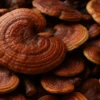
Mushrooms such as reishi, chaga and lion’s mane have immune-modulating effects in laboratory studies. They do not act directly against parasites, and there is no evidence that they prevent parasitic infections.
Where do parasites live in the body?
Most parasites live in the gut, but some can affect other organs:
| Location in the Body | Examples of Parasites or General Information |
| Intestines (small and large) | The most common location, e.g. roundworms, pinworms, tapeworms, Giardia. |
| Liver and bile ducts | Liver flukes (e.g., Fasciola hepatica), Echinococcus cysts or amoebic liver abscesses. |
| Lungs | Less common; e.g. Paragonimus or migrating Ascaris larvae, causing coughing. |
| Muscles | E.g., Trichinella spiralis forms cysts in muscle tissue, causing pain and fever. |
| Brain and nervous system | Rare but serious, e.g. pork tapeworm larvae (neurocysticercosis), Echinococcus cysts or Toxoplasma in people with weakened immune systems. |
| Blood | E.g., malaria parasites (Plasmodium) live in red blood cells and cause recurring fever and chills. |
Parasites outside the gut are usually detected with blood tests and imaging such as ultrasound, CT or MRI.
How quickly can you recover?
With the right medication, most intestinal parasites are eliminated within days to a few weeks. Some infections require a second treatment, and with pinworms, the whole household should be treated at the same time and hygiene measures followed to prevent reinfection: wash hands, keep nails short, change and wash underwear and bed linen daily.
See a doctor if you have diarrhea for more than a few days, blood in your stool, fever, weight loss or symptoms after travel, and before treating children, pregnant women or people with chronic illnesses yourself.
Prevention
- Wash your hands thoroughly with soap after using the toilet, after gardening or contact with animals, and before eating
- Wash fruit and vegetables well
- Cook meat and fish thoroughly; freezing kills some parasites in fish
- Drink only safe water when traveling
- Deworm pets regularly
In summary
Intestinal parasites are less common in Europe and North America than in many other parts of the world, but they still occur. Good hygiene, safe food and water and caution when traveling are the best protection. If you suspect an infection, have it properly diagnosed – modern medication is usually quick and effective. A healthy diet and lifestyle support your gut and immune system, but they do not replace treatment.