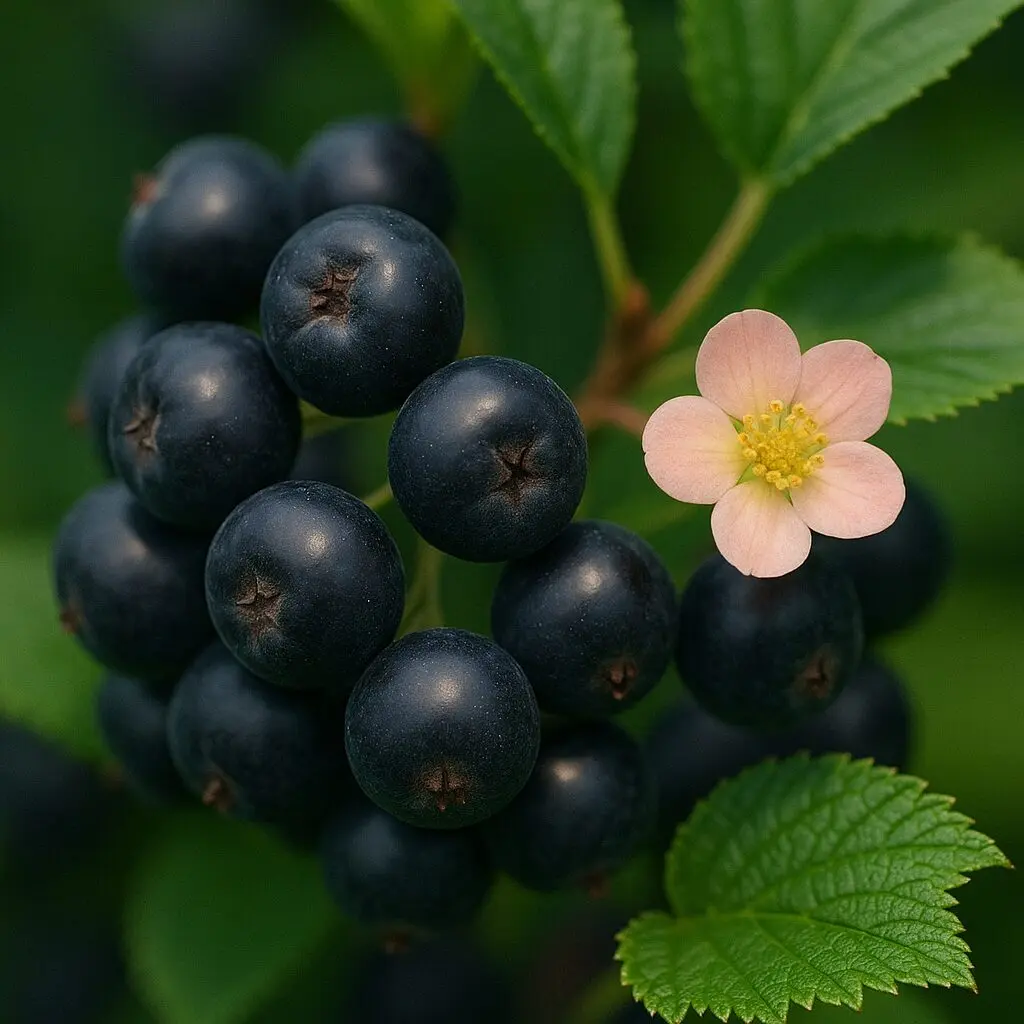
Aronia melanocarpa
One of the richest sources of anthocyanins
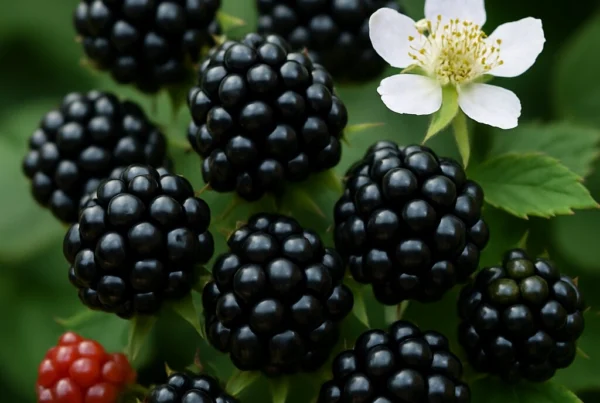
Aronia, also known as black chokeberry, originally comes from North America and is now widely grown in Eastern and Central Europe. Its taste is tart and astringent – the name “chokeberry” comes from the dry, mouth-puckering feeling it leaves. Few people eat it raw, but as juice, powder or in combination with sweeter fruits it is very versatile.
Aronia is remarkable for its very high content of anthocyanins and other polyphenols – higher than in most other berries. These plant compounds are the reason it is being studied for its effects on blood pressure, blood vessels and blood lipids.
Nutritional values (per 100 g dried aronia)
| Nutrient | Amount |
|---|---|
| Fiber | 17–20 g |
| Vitamin C | 25–35 mg |
| Vitamin A | 214 IU |
| Vitamin K | 13 µg |
| Vitamin E | 1.1 mg |
| Potassium | 250–300 mg |
| Iron | 1.4 mg |
| Zinc | 0.4 mg |
| Anthocyanins | 1500–2000 mg |
| Polyphenols | 4000–7000 mg |
Health benefits
- Blood pressure – Meta-analyses show that aronia juice and extracts can lower blood pressure slightly, especially in people with raised blood pressure. The effect is modest, but noticeable.
- Blood vessels – Anthocyanins may improve the elasticity and function of blood vessels.
- Blood lipids – Some studies found lower LDL cholesterol and triglycerides.
- Blood sugar – In small studies with people with type 2 diabetes or metabolic syndrome, aronia extract lowered fasting blood sugar slightly. Its fiber and low sugar content make the dried berries a good choice.
- Antioxidant and anti-inflammatory effects – Well documented in laboratory studies; in human studies some inflammatory markers decreased.
- Immune system – Antiviral and antibacterial effects in laboratory studies.
There is no evidence that aronia helps with ADHD or leaky gut or that it “detoxes” the liver. Its neuroprotective effects have only been studied in the laboratory and in animals.
Note: Raw aronia berries contain small amounts of amygdalin, which can release cyanide. In usual food quantities, this is not a problem – cooking, drying and juicing reduce the content further. If you take blood pressure medication, monitor your blood pressure when you start drinking aronia juice regularly.
Herbal and naturopathic uses
- Berries – traditionally used in Eastern Europe for high blood pressure and to strengthen blood vessels
- Juice – astringent; traditionally used for urinary tract infections (the evidence is weak)
- Leaves – rarely used; traditionally considered mildly diuretic
- Dried aronia – suitable for tea, blends or as powder
Culinary uses
Aronia’s tart taste works best in combination:
- smoothies with banana and plant-based milk,
- juice mixed with apple or ginger,
- low-sugar jam with dates or pears,
- baked goods, muffins, bread or granola,
- teas with hibiscus, rosehip or mint,
- powder in yogurt, oatmeal or desserts.
Pure aronia juice is very tart – dilute it with water or mix it with apple juice.
In natural skincare
- Aronia powder – in antioxidant face masks
- Water extracts – in toners and facial sprays
- Rich in antioxidants – protects the skin from oxidative stress
- Test on a small area first if you have sensitive skin
Good combinations
- Blackcurrants – add vitamin C, which aronia has relatively little of
- Cocoa or cinnamon – soften the tart taste
- Ginger or turmeric – in a warming tea or smoothie
- Kefir or yogurt – fermented foods for the gut
Suggested amounts
- Children: 1–2 teaspoons of dried fruit or 50–100 ml of diluted juice
- Adults: 1–2 tablespoons of dried fruit or 100–200 ml of juice
- Tea: 1 tbsp dried fruit per cup of boiling water, steep for 15 minutes
- Powder: 1–2 tsp a day in meals or drinks
Storage tips
- Dried fruit: in a glass jar, cool, dark and dry
- Powder: airtight, away from moisture
- Juice: in the fridge, ideally unsweetened
Did you know…?
Aronia is one of the most anthocyanin-rich fruits in the world – it contains several times more than blueberries.
The plant was brought from North America to Russia at the beginning of the 20th century, where the botanist Ivan Michurin bred it into a crop plant. From there it spread throughout Eastern Europe.
The berries ripen in late summer and keep on the bush well into autumn.
In summary
Aronia is an exceptionally polyphenol-rich berry with good evidence for a modest reduction in blood pressure. Its tart taste takes some getting used to, but in smoothies, juices and baked goods it is an easy way to add more plant compounds to your diet.