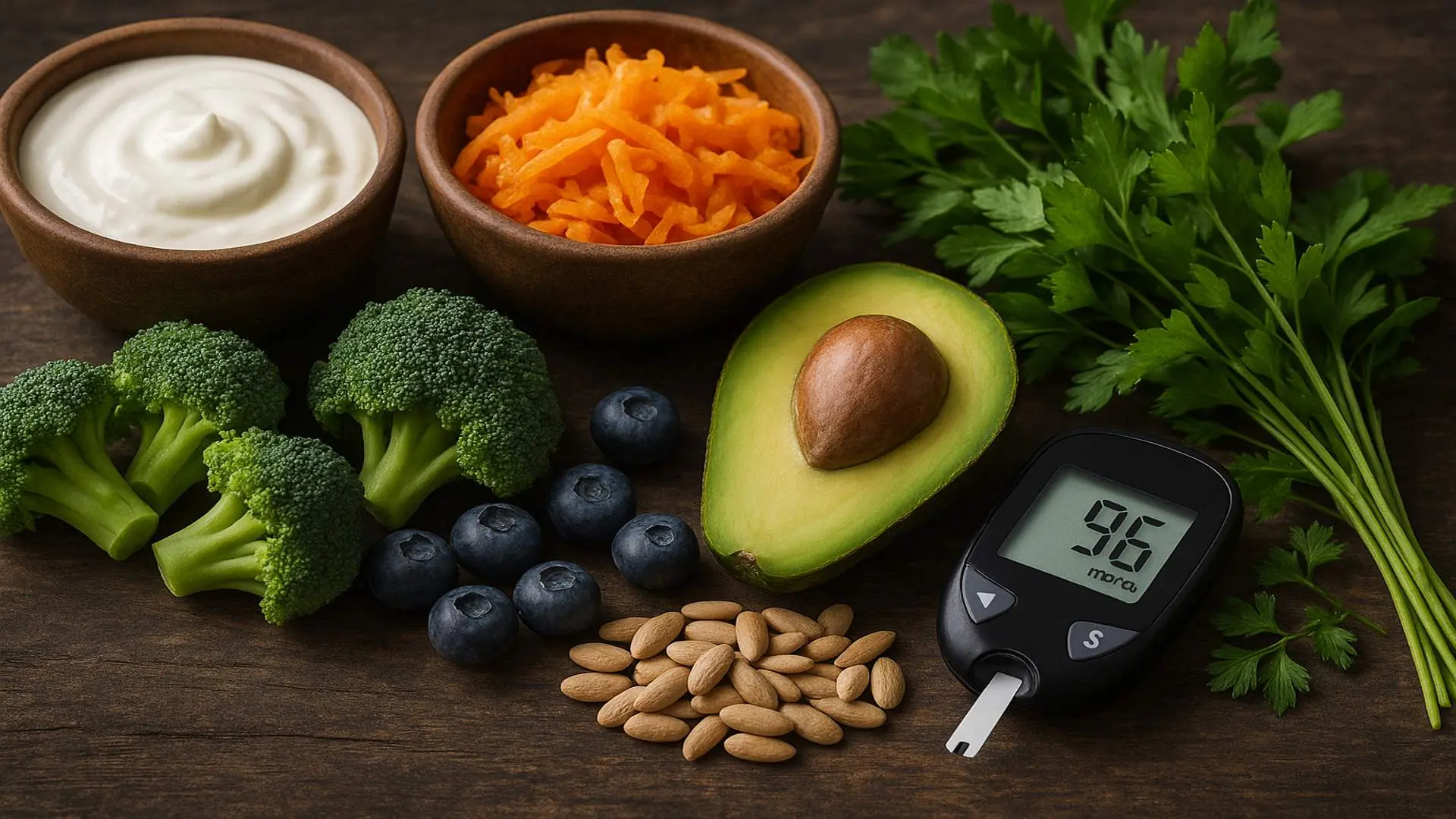
What we know about the connection between the gut microbiome, insulin resistance and type 2 diabetes – and how to support your gut.
Introduction
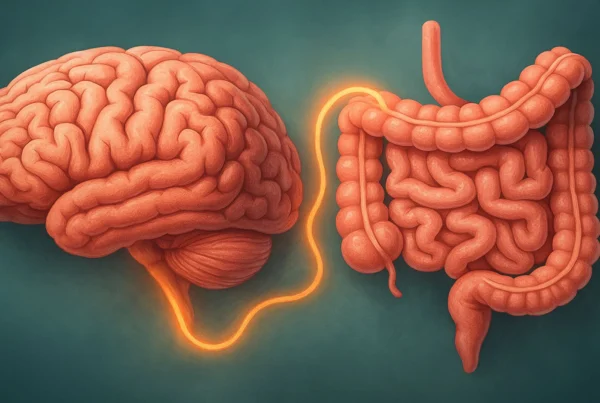
The gut is far more than a digestive tube. It is home to a complex ecosystem of microorganisms that communicates with the immune system, the brain and the hormones that regulate blood sugar. Research over the past fifteen years has shown that the gut microbiome plays a role in insulin resistance, inflammation and type 2 diabetes. Many details are still being studied, but the connection is real – and it offers practical starting points.
In this article you will learn:
- what the gut microbiome is,
- how an imbalance (dysbiosis) is linked to insulin resistance,
- what increased intestinal permeability (“leaky gut”) means,
- which foods and habits support a healthy gut,
- what you can do today.
What is the gut microbiome?
The gut microbiome consists of tens of trillions of microorganisms – bacteria, fungi, viruses and archaea – most of which live in the large intestine. They are not passive passengers. They help to:
- break down fiber we cannot digest ourselves,
- produce vitamins such as vitamin K and some B vitamins,
- protect against harmful germs,
- train and regulate the immune system,
- produce short-chain fatty acids that nourish the gut lining,
- influence blood sugar and insulin sensitivity.
A diverse microbiome is generally associated with better metabolic health, while a less diverse one is more often found in people with obesity and type 2 diabetes.
Dysbiosis: an imbalance in the gut
Dysbiosis describes an unfavorable change in the composition of the gut microbiome – for example fewer beneficial bacteria or less diversity overall.
It is associated with:
| Consequence | Possible effect on blood sugar |
|---|---|
| More low-grade inflammation | Disrupts insulin signaling |
| Increased gut permeability | Immune response that promotes insulin resistance |
| Altered energy metabolism | May favor fat storage |
| Fewer short-chain fatty acids | Weaker regulation of glucose and appetite |
Studies show that people with type 2 diabetes often have a less diverse microbiome, with fewer butyrate-producing bacteria and fewer bacteria such as Akkermansia muciniphila, which is associated with better metabolic health. Whether these differences are a cause or a consequence of diabetes is still being researched – probably both.
What is leaky gut, and how might it affect blood sugar?
The intestinal lining consists of cells held together by tight junctions. In a healthy gut, this barrier lets nutrients through and keeps bacteria and their components out. If it becomes more permeable, fragments of bacteria such as lipopolysaccharides (LPS) can enter the bloodstream.
This is called increased intestinal permeability, often referred to as “leaky gut”.
Possible links with blood sugar:
- LPS in the blood triggers low-grade inflammation → can promote insulin resistance (“metabolic endotoxemia”)
- The immune system remains activated → chronic stress for the body
- Gut hormones are affected → appetite and glucose regulation change
- Less GLP-1 → a gut hormone that stimulates insulin release; short-chain fatty acids from fiber help produce it
Much of this evidence comes from animal studies and observational research in humans, but the overall picture is consistent.
Signs that your gut deserves attention
These symptoms do not prove a link with blood sugar, but they are a reason to look at your gut health:
- bloating, gas, constipation or diarrhea,
- tiredness after meals,
- strong cravings for sweets,
- poor concentration after eating,
- skin problems such as eczema or acne,
- frequent infections.
Persistent digestive problems should always be examined by a doctor.
Foods that support the gut and stable blood sugar
The gut thrives on variety – both in microbes and in your diet. Fiber-rich whole foods are the foundation.
Gut-friendly, blood sugar-friendly foods:
| Category | Examples |
|---|---|
| Prebiotic fiber | Garlic, onions, leeks, asparagus, oats |
| Fermented foods | Sauerkraut, kimchi, kefir, natural yogurt |
| Polyphenol-rich foods | Berries, green tea, turmeric, cocoa |
| Omega-3 sources | Flaxseed, chia, walnuts, oily fish |
| Resistant starch | Cooked and cooled potatoes or rice, green bananas |
| Bitter greens | Dandelion leaves, rocket, chicory |
A useful rule of thumb from microbiome research: aim for around 30 different plant foods a week, including vegetables, fruit, legumes, whole grains, nuts, seeds, herbs and spices.
Foods to limit
- Sugar and sugary drinks
- Highly processed foods (white bread, chips, sweets, ready meals)
- Large amounts of alcohol
- Frequent painkillers such as NSAIDs, which can irritate the gut lining
- Gluten or dairy only if you have a diagnosed intolerance
Research on artificial sweeteners is mixed; some studies suggest they can change the microbiome in some people. Water and unsweetened tea are the simplest choices.
Supplements that may help
Food is the foundation. These supplements are being studied for gut health and blood sugar:
Possible supplements:
| Supplement | Function |
|---|---|
| Probiotics | Add beneficial bacteria; effects depend on the strain |
| Prebiotics | Feed beneficial bacteria |
| L-glutamine | Fuel for gut cells; evidence in humans is limited |
| Berberine | Lowers blood sugar in studies, alters the microbiome |
| Magnesium | Involved in glucose metabolism; often low in diabetes |
| Inulin or acacia fiber | Promote bifidobacteria and short-chain fatty acids |
Caution: Talk to your doctor before taking supplements, especially if you have diabetes or take medication – berberine in particular can interact with other drugs and lower blood sugar further.
Lifestyle tips for a healthier gut and steadier blood sugar
- Eat slowly and chew well
- Walk after meals – it lowers the rise in blood sugar
- Sleep seven to eight hours – lack of sleep affects both the gut and blood sugar
- Use antibiotics only when necessary – and only as prescribed
- Reduce stress – with breathing exercises, time in nature or journaling
- Regular meal times – some people also benefit from time-restricted eating; discuss this with your doctor if you take diabetes medication
Further reading
- 10 Natural Foods That Help Keep Blood Sugar Steady
- 10 Early Signs of Type 2 Diabetes
- What Is Type 2 Diabetes? A Clear Guide
- Leaky Gut and ADHD: The Gut-Brain Connection
Final thoughts
The gut is not the only key to blood sugar control, but it is an important and often overlooked one. A varied, fiber-rich diet, fermented foods, exercise and good sleep support your microbiome – and with it your metabolism. Combined with medical care where needed, these are some of the most effective steps you can take.