Introduction: not only in the head
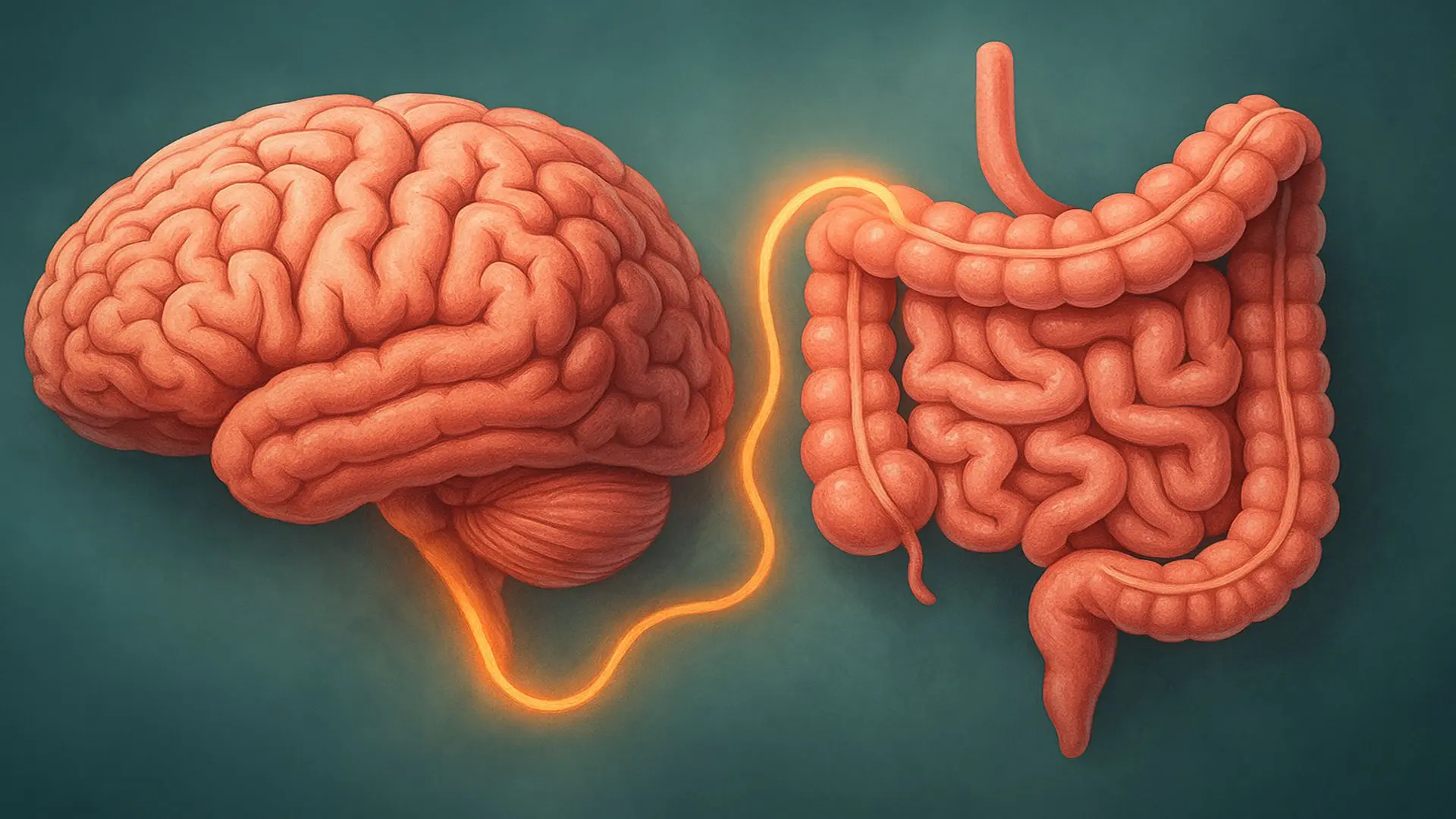
When we think of ADHD, we think of the brain: distraction, impulsivity, hyperactivity. But there is growing interest in another organ – the gut.
The gut-brain axis is a two-way communication system. What happens in the digestive tract can influence:
- emotional regulation,
- immune signaling and inflammation,
- the production of certain messenger substances,
- sleep and energy.
Increased intestinal permeability, often called “leaky gut”, is one of several gut-related topics researchers are exploring in connection with ADHD. The research is still at an early stage, but the gut is a sensible place to look for supportive measures.
This article explains:
- what leaky gut is,
- how it might be connected to ADHD,
- what you can do to support gut health.
1. What is leaky gut?
The intestinal lining is meant to be selectively permeable: it lets nutrients through and keeps bacteria, toxins and undigested food particles out.
When this barrier is weakened, the connections between the cells (tight junctions) become looser. Fragments of bacteria (such as lipopolysaccharides) and food particles can then pass into the bloodstream more easily, and the immune system reacts with low-grade inflammation.
Increased permeability is well documented in conditions such as celiac disease and inflammatory bowel disease. “Leaky gut syndrome” as a stand-alone diagnosis, however, is not recognized by conventional medicine, and there is no simple, reliable test for it.
Symptoms often associated with it:
- food intolerances,
- bloating, gas, irregular stools,
- skin problems (eczema, acne),
- fatigue and “brain fog”,
- irritability and difficulty concentrating.
2. The gut-brain axis: how the gut and brain communicate
The gut and brain are connected via:
- the vagus nerve,
- immune messengers (cytokines),
- substances produced by gut bacteria, such as short-chain fatty acids.
When the gut is inflamed or the microbiome is out of balance, these signals change. Researchers suspect this could influence attention, mood and stress responses – but whether it plays a significant role in ADHD is not yet clear.
In everyday life, some parents notice that their children are more irritable or unfocused when they have digestive problems, after certain foods or when they sleep poorly.
3. What can harm the gut lining?
Several factors are known to affect the gut barrier or microbiome:
| Factor | Possible effect on the gut |
|---|---|
| Antibiotics | Reduce beneficial bacteria temporarily |
| Sugar and highly processed food | Favor a less diverse microbiome |
| Gluten (in celiac disease) | Increases zonulin, a protein that loosens the gut barrier |
| Pesticide residues | Possible effects on gut bacteria; research is ongoing |
| Chronic stress | Reduces the protective mucus layer and promotes inflammation |
| NSAIDs (e.g. ibuprofen) | Can irritate the gut lining with frequent use |
| Low-fiber diet | Starves the protective bacteria in the colon |
Birth by C-section and early weaning are associated with differences in the infant microbiome, but whether this affects later ADHD risk has not been shown.
4. ADHD, the microbiome and inflammation
Several studies have found that children with ADHD tend to have a somewhat different gut microbiome, for example:
- fewer Bifidobacteria,
- a lower diversity of bacteria overall.
Some studies also show slightly increased inflammatory markers in ADHD. Whether these differences are a cause, a consequence (for example of diet or stress) or simply a side issue is still unclear. ADHD remains primarily a genetic, neurodevelopmental condition.
5. Practical ways to support the gut
A gut-friendly diet benefits almost everyone, with or without ADHD. These measures are safe and worth trying:
1. Look for food triggers – with guidance
- Some children react to artificial colorings, and some studies show improvements when these are avoided.
- If you suspect a reaction to gluten, dairy or other foods, do an elimination diet only with a doctor or dietitian, especially in children – unbalanced diets can lead to deficiencies.
- Have celiac disease tested before removing gluten, because the test only works while gluten is still being eaten.
2. Gentle, gut-friendly foods
- Bone broth or vegetable broth
- Cooked carrots, zucchini and pumpkin
- Fermented vegetables (start with small amounts)
3. Feed the microbiome
- Prebiotic fiber: oats, flaxseed, green bananas, Jerusalem artichoke, onions
- Polyphenol-rich foods: berries, herbs, green tea
- Resistant starch: cooled potatoes and rice, legumes
4. Probiotics – targeted
- Choose clinically studied strains such as Lactobacillus rhamnosus GG or Bifidobacterium longum
- The evidence for probiotics specifically in ADHD is still limited; they are more established for digestive symptoms
5. Support digestion
- Eat slowly and chew well
- Avoid eating in a rush or under stress
- Regular meal times
6. Zinc and magnesium
- Both are important for the gut lining and are often low in ADHD
- Good sources: pumpkin seeds, leafy greens, nuts, legumes
- Have levels checked before supplementing
6. Gut and sleep
Sleep problems are very common in ADHD. The sleep hormone melatonin that controls our day-night rhythm is produced at night by the pineal gland in the brain. The gut also produces melatonin, but it mainly acts locally in the digestive tract.
Still, a healthy gut and sleep are connected: digestive discomfort, late heavy meals and irregular eating can disturb sleep, and poor sleep in turn worsens attention and mood the next day.
Read more: How to Improve Sleep in Children with ADHD
7. Signs worth discussing with a doctor
These signs can point to a digestive problem that deserves attention:
- frequent stomach aches, constipation or diarrhea,
- clear mood changes after certain foods,
- eczema, frequent infections or allergies,
- weight loss or poor growth,
- strong reactions to food colorings or preservatives.
Such symptoms should be examined medically – for example to rule out celiac disease, lactose intolerance or a food allergy.
8. Testing
Tests for zonulin, IgG food “intolerances” or microbiome analyses are offered by many private labs. Their results are difficult to interpret, and IgG tests in particular are not considered valid for diagnosing food intolerances by allergy societies.
Better starting points:
- a balanced, fiber-rich diet with few processed foods,
- a food and symptom diary,
- medical tests for celiac disease, allergies or deficiencies where indicated,
- support from a doctor or dietitian.
Summary table: gut support in ADHD
| Focus | Natural approach |
|---|---|
| Inflammation | Omega-3, berries, vegetables, fewer processed foods |
| Gut barrier | Fiber, zinc, broth, enough sleep |
| Microbiome | Prebiotics, fermented foods, studied probiotics |
| Digestion | Regular meals, eating slowly, bitter herbs |
| Diet | Few artificial colorings, less sugar; eliminations only with guidance |
| Stress | Breathing exercises, routines, a calm environment |
Final thoughts
The gut-brain connection in ADHD is a promising field, but not yet a proven cause or cure. Caring for the gut is still worthwhile: a fiber-rich, colorful diet, regular meals, enough sleep and less stress support the whole body – and can make it easier to cope with ADHD alongside medical treatment.