(Latin: Climacterium)
A new phase of life
Menopause is a natural stage of life, not an illness. The ovaries gradually stop releasing eggs, and the levels of the hormones estrogen and progesterone fall. Strictly speaking, menopause is the time of the last menstrual period – it is confirmed once you have had no period for 12 months. On average, this happens around the age of 51, usually between 45 and 55.
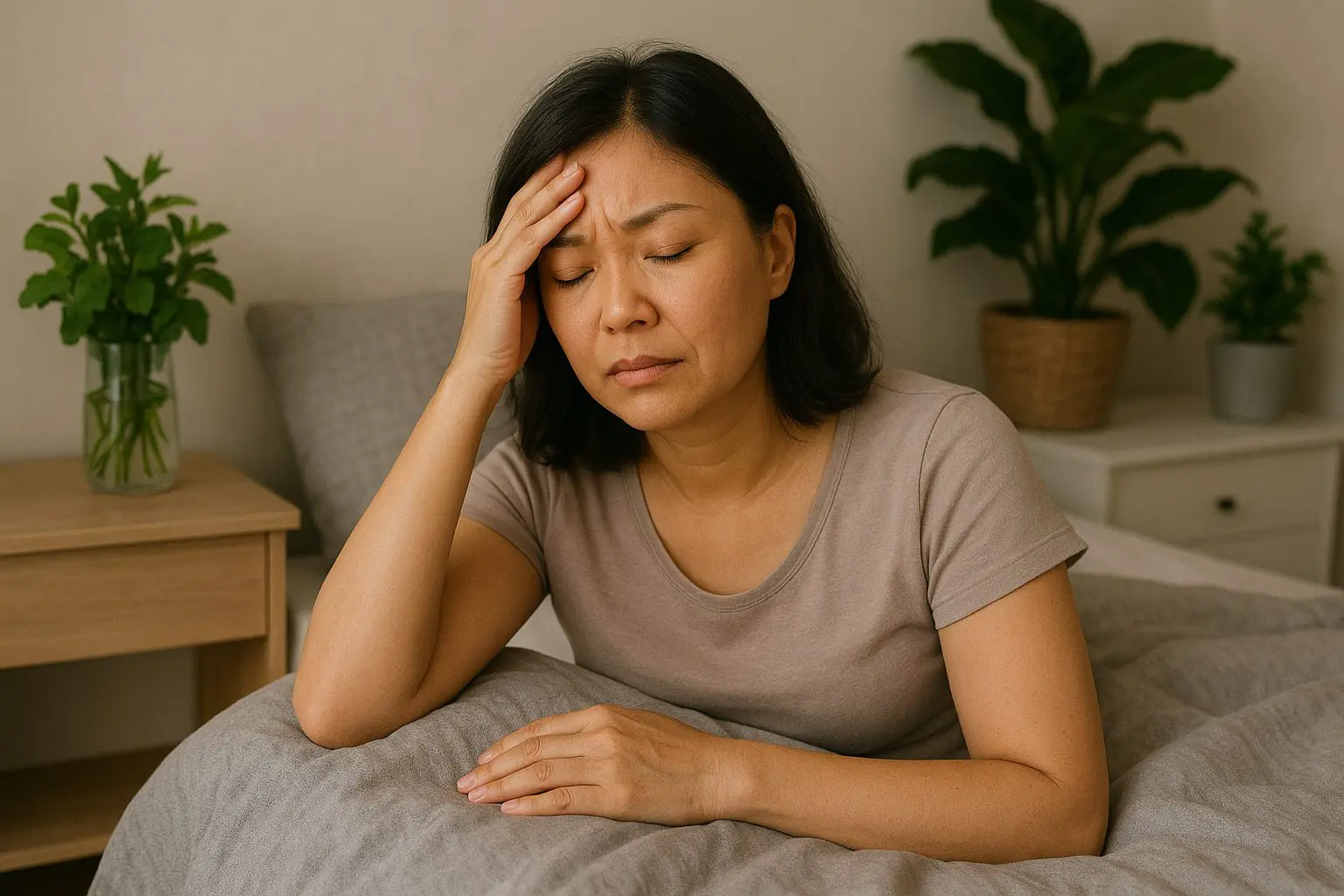
The years of hormonal change before that are called perimenopause. It often starts in the forties and can last several years. Periods become irregular, and the first symptoms appear. How a woman experiences this phase varies greatly: some hardly notice it, others have symptoms that significantly affect their daily lives.
For many women, this phase is also a time of reorientation – children leave home, priorities change, and there is more room for one’s own needs.
Common symptoms
Typical symptoms of perimenopause and menopause include:
- hot flashes and night sweats
- sleep problems
- mood swings, irritability, low mood or anxiety
- difficulty concentrating and forgetfulness (“brain fog”)
- vaginal dryness and pain during sex
- more frequent urinary tract infections or an urgent need to urinate
- joint and muscle pain
- dry skin and thinning hair
- reduced libido
Hot flashes last on average seven years, sometimes longer. After menopause, the lower estrogen levels also increase the long-term risk of osteoporosis and cardiovascular disease – which is why a healthy lifestyle is particularly important now.
Mind, relationships and support
Hormonal changes can affect mood: estrogen interacts with messenger substances in the brain such as serotonin. Sleep deprivation due to night sweats makes things worse. Many women feel more irritable, sensitive or exhausted than usual – and sometimes do not understand themselves.
It helps to talk about it. Choose a calm moment to explain to your partner or family what is happening, without blame. For example:
“Lately, it’s been harder for me to keep my balance because my body is changing. It’s nobody’s fault – it’s hormones.”
A partner can offer a lot of support: a hug, a walk together, a shared meal, or simply listening. Exchanging experiences with other women – a mother, sister or friends – also brings relief and shows that you are not alone.
If symptoms or low mood become overwhelming, talk to your gynecologist or doctor. Seeking help is a sign of strength, not weakness. Cognitive behavioral therapy has also been shown to help with hot flashes, sleep problems and low mood.
Treatment options
There are effective treatments for menopausal symptoms:
- Hormone replacement therapy (HRT) is the most effective treatment for hot flashes and night sweats and also protects the bones. Whether it is suitable depends on age, time since menopause, symptoms and individual risks – for most healthy women under 60, the benefits outweigh the risks. Talk to your doctor about it.
- Local estrogen as a cream or vaginal tablet helps with vaginal dryness and urinary problems and is very low-risk.
- Non-hormonal medications are available for women who cannot or do not want to take hormones.
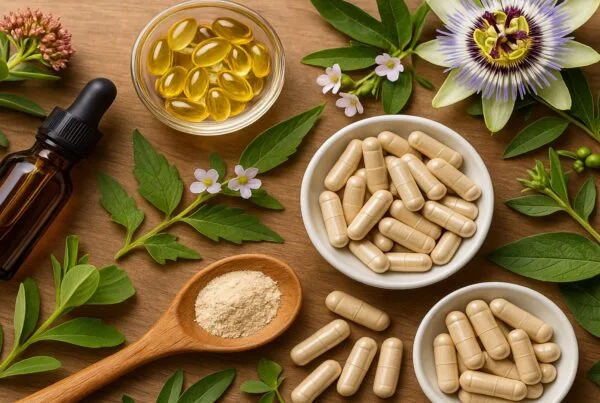
- Herbal remedies such as black cohosh or red clover are popular, but studies show inconsistent results. Black cohosh can rarely damage the liver. Talk to your doctor before taking them, especially if you have had breast cancer.
Healthy nutrition – support for body and well-being
Menopause is a good time to look at your diet. Your body now especially needs calcium, vitamin D, protein, fiber and omega-3 fatty acids.
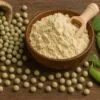
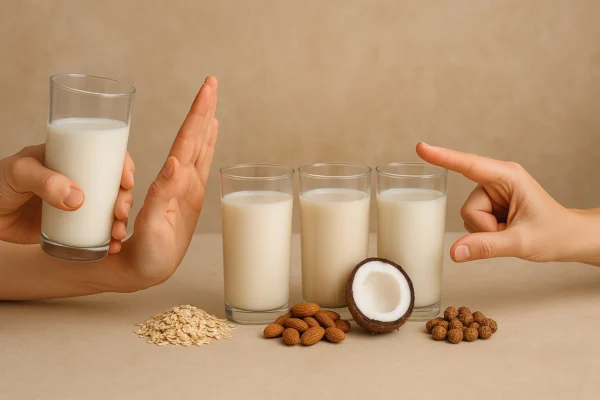
Phytoestrogens are plant compounds that act weakly like estrogen. They are found in soy, tofu, tempeh, flaxseed and lentils. Studies show that soy isoflavones can slightly reduce the frequency of hot flashes in some women – the effect is modest and takes several weeks.
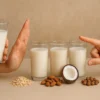
For your bones: calcium from dairy products, calcium-rich mineral water, kale, broccoli and fortified plant drinks, and vitamin D from oily fish, eggs and sunlight – in winter, a supplement is often useful. Enough protein helps maintain muscle mass. Magnesium from nuts, seeds, legumes and whole grains supports muscles and nerves, and omega-3 fatty acids from fish, flaxseed or walnuts are good for the heart and blood vessels.
Fiber from vegetables, legumes and whole grains supports digestion and helps keep blood sugar and cholesterol in check. Fermented foods such as kefir, yogurt or sauerkraut are good for the gut.
Some women find that alcohol, caffeine and spicy food trigger hot flashes – it is worth paying attention to your own triggers.
Exercise is just as important: strength training and weight-bearing activities such as brisk walking strengthen the bones and muscles, endurance exercise protects the heart, and exercise in general improves sleep and mood.
A look around the world
Women experience menopause differently around the world:
- Diet: In Japan, women have traditionally reported fewer hot flashes than in Western countries – a higher intake of soy foods may be one of the reasons. In Mediterranean countries, a diet rich in olive oil, vegetables, nuts and fish supports the heart and bones.
- Culture: In cultures where older women enjoy high social status, menopause is often seen more positively. Studies suggest that attitudes towards aging can influence how women experience the symptoms.
- Openness: In many Western countries, menopause has become much more openly discussed in recent years – including in the workplace.
Social support makes a real difference: women who feel understood and supported often cope better with this phase.
In summary
Menopause is not an end, but a transition. With good information, a healthy diet, regular exercise, support from your partner and family, and medical help when needed, this phase of life can be full of energy and new perspectives. If your symptoms are affecting your quality of life, don’t just put up with them – there are effective treatments.