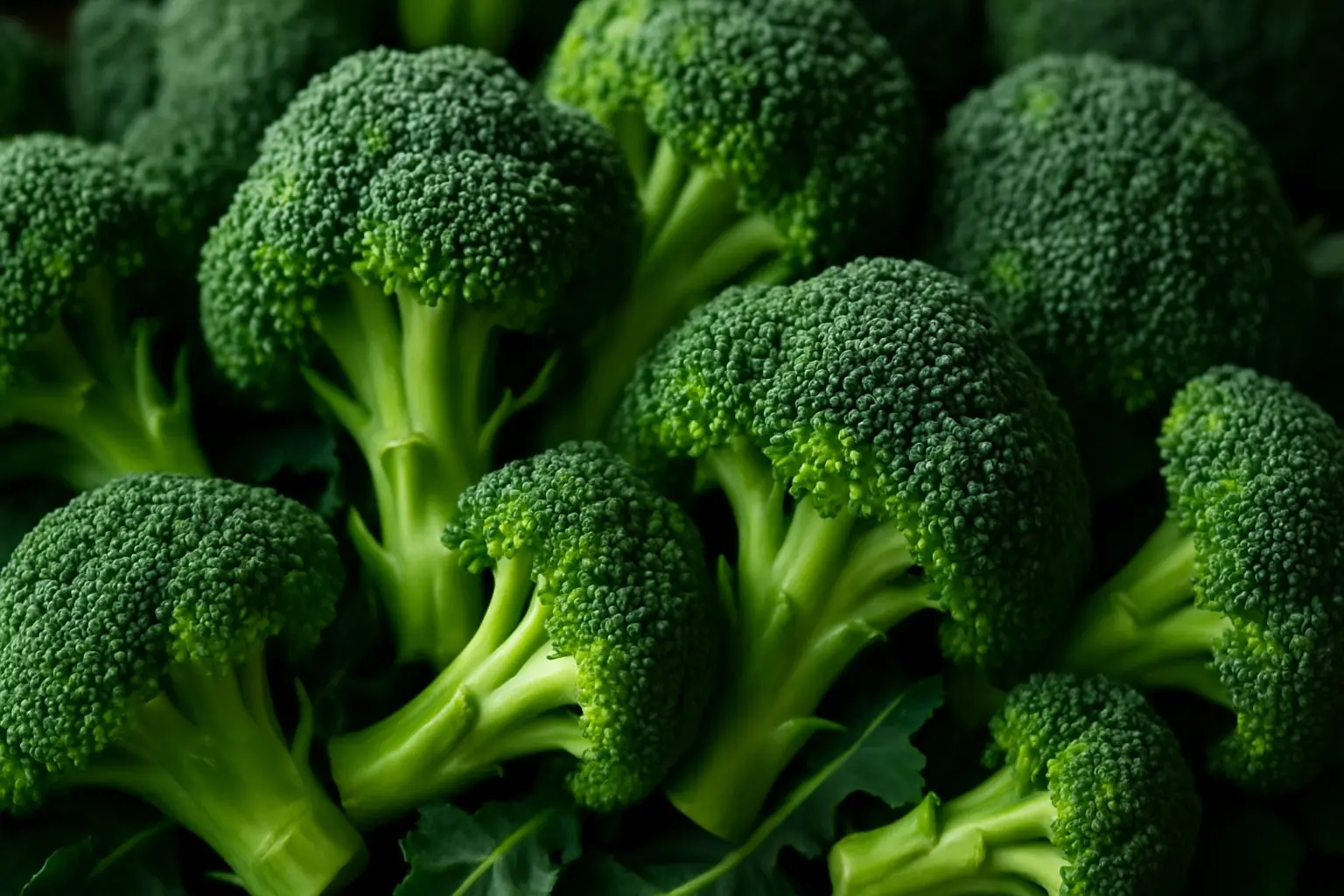
Broccoli is one of the most thoroughly researched vegetables there is. This close relative of cauliflower combines a lot of vitamin C with fiber and sulforaphane, a compound that has attracted considerable scientific interest. Here is what it can do for you – and how to cook it so you keep the good stuff.
What makes broccoli special?
Broccoli belongs to the cruciferous family, along with cabbage, kale and Brussels sprouts. Beyond vitamins and minerals, it contains glucosinolates, which the body converts into active compounds such as sulforaphane when the vegetable is chopped or chewed. These compounds are the main reason broccoli stands out among vegetables.
Health benefits of broccoli
1. Supports the immune system
Even cooked, 100 g of broccoli provides about 65 mg of vitamin C – a large part of your daily needs. Vitamin C contributes to the normal function of immune cells, and broccoli also supplies vitamin A and folate, which play a role in immune defense too.
2. Protects cells against oxidative stress
Sulforaphane activates the body’s own antioxidant and detoxification enzymes. Observational studies link a high intake of cruciferous vegetables with a lower risk of some cancers, such as colorectal cancer. That is promising, but it does not mean broccoli prevents cancer on its own – overall diet and lifestyle matter far more.
3. Good for the gut
With over 3 g of fiber per 100 g, broccoli helps keep digestion regular and feeds beneficial gut bacteria. Some of these bacteria also help convert glucosinolates into their active forms.
4. Nutrients for the nervous system
Broccoli supplies folate and other B vitamins, which are needed for normal nerve function and the production of neurotransmitters.
Nutritional value of broccoli (per 100 g, cooked)
| Nutrient | Amount |
|---|---|
| Calories | 35 kcal |
| Protein | 2.4 g |
| Fat | 0.4 g |
| Carbohydrates | 7.2 g |
| Fiber | 3.3 g |
| Vitamin A | 77 µg |
| Vitamin C | 64.9 mg |
| Vitamin K | 141 µg |
| Folate | 108 µg |
| Iron | 0.7 mg |
| Magnesium | 21 mg |
| Potassium | 293 mg |
Broccoli myths, checked
“Broccoli is the number one super-vegetable.”
It certainly ranks highly, and research does associate regular consumption with lower risk of certain cancers. But no single food carries a diet – variety matters more than any one vegetable.
“Cooking destroys all the nutrients.”
Not true. Vitamin C is sensitive to heat, but steaming or briefly cooking broccoli keeps most of its value. A useful trick: chop broccoli and let it rest for a few minutes before cooking, so more sulforaphane can form.
Worth knowing
- Part of a famous family. Cauliflower, kale and Brussels sprouts are close relatives, and the whole group is studied for its protective compounds.
- An Italian classic. Broccoli was cultivated in Roman times and spread from Italy to the rest of Europe much later.
How to eat more broccoli
- Steamed with olive oil and garlic – quick and reliable.
- As a soup – blended with a little potato and topped with pumpkin seeds.
- In pasta or rice dishes – add it for the last few minutes of cooking.
Broccoli is filling, low in calories and quick to prepare, which makes it useful if you are trying to manage your weight or simply want more vegetables in your week.
Summary
Broccoli combines vitamin C, fiber, folate and sulforaphane in an inexpensive, versatile vegetable. Cook it briefly, eat it often and enjoy it as part of a varied diet.