Gluten – a mixture of the proteins gliadin and glutenin
What exactly is gluten?
Biochemical definition:
Gluten is a collective name for storage proteins – prolamins and glutelins – found in the seeds of certain grains:
- Wheat (Triticum aestivum) – gliadin and glutenin
- Rye (Secale cereale) – secalin
- Barley (Hordeum vulgare) – hordein
- and wheat relatives such as spelt, durum and kamut.
These proteins store nitrogen for the germinating seed. For bakers, they are invaluable; for some people, they cause real health problems.
Where does the word “gluten” come from?
From the Latin gluten, meaning “glue”. Gluten binds water, traps the gases produced during fermentation and forms an elastic network that allows dough to rise. Without it, bread made from wheat would be flat and crumbly.
What happens when you mix flour and water?
When flour is mixed with water and kneaded:
- gliadin and glutenin absorb water
- they link up into a protein network that traps gases
- the dough becomes stretchy and rises
- the gluten forms the framework of the baked bread
Gluten, digestion and the immune system
The human body cannot completely break down gluten. Certain gliadin fragments, rich in the amino acids proline and glutamine, are resistant to our digestive enzymes.
In most people, this is harmless. But in people with the genes HLA-DQ2 or HLA-DQ8 – about a third of the population carries them – the immune system can react to these fragments. In a small proportion of them, this leads to celiac disease: an autoimmune reaction that damages the small intestine and increases its permeability.
Does gluten harm everyone?
No. Gluten is not a poison. But:
- for about 1% of people with celiac disease, even small amounts are harmful
- people with a wheat allergy react to wheat proteins
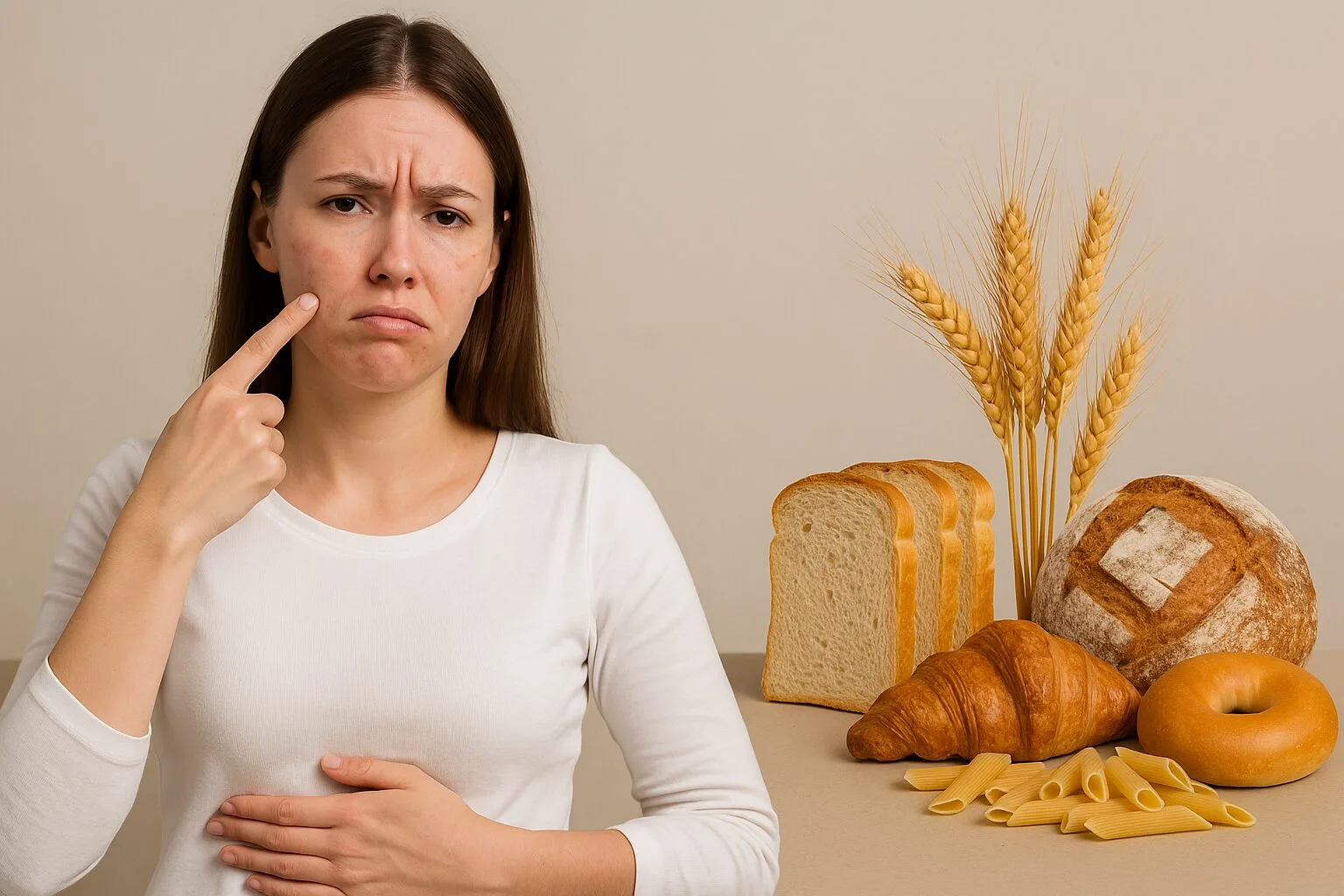
- some people have non-celiac gluten or wheat sensitivity: digestive problems, tiredness, headaches or brain fog after eating wheat, without celiac disease or allergy. Estimates of how common it is vary widely, from under 1% to several percent
- there is no reliable evidence that gluten worsens ADHD or insulin resistance in people without celiac disease
Gluten and the brain
In celiac disease, neurological symptoms can occur, such as tingling in the hands and feet, balance problems or headaches. A rare form is gluten ataxia, in which the immune reaction affects the cerebellum. Depression and anxiety are more common in people with untreated celiac disease and often improve with a gluten-free diet.
For people without celiac disease or gluten sensitivity, there is no evidence that gluten affects mood or concentration.
What research says:
| Author / Year | Conclusion |
|---|---|
| Fasano (2011) | Gliadin triggers zonulin release and increases intestinal permeability – most pronounced in celiac disease |
| Volta et al. (2012) | Described non-celiac gluten sensitivity as a separate condition |
| Biesiekierski et al. (2013) | Many people with self-reported gluten sensitivity reacted to FODMAPs rather than gluten |
| Hadjivassiliou et al. | Gluten ataxia: a rare immune reaction to gluten that affects the nervous system |
| Ly et al. (2017) | No reliable evidence that gluten-free diets improve ADHD without celiac disease |
Where is gluten hiding?
Not just in bread. Also in:
- beer (barley)
- soy sauce, which usually contains wheat
- some mustards and sauces
- some medications and capsules
- spice blends
- meat substitutes based on seitan (wheat gluten)
- barley malt in cereal bars and breakfast cereals
- products contaminated during processing
Watch out: what replaces gluten on labels?
| Ingredient | Why It Might Be a Problem |
|---|---|
| Corn starch | High glycemic index |
| Glucose-fructose syrup | Added sugar with no nutritional value |
| Xanthan gum, guar gum | Can cause bloating in larger amounts |
| Rice flour | Little fiber; rice can contain arsenic |
| Potato starch | Mostly starch, few nutrients |
These ingredients are not harmful in normal amounts, but many gluten-free replacement products are highly processed and contain less fiber and more sugar and fat than the originals. If you eat gluten-free, choose naturally gluten-free whole foods wherever possible.
What to do: your personal plan
- Get tested first. If you suspect gluten is causing your symptoms, ask your doctor to test for celiac disease – while you are still eating gluten. The tests are unreliable once you have stopped.
- Keep a food and symptom diary.
- If celiac disease and wheat allergy have been ruled out, try a gluten-free or low-FODMAP diet for a few weeks, ideally with the support of a dietitian, and then reintroduce foods to see what you really react to.
- Don’t be fooled by labels: a gluten-free bar with a long ingredient list is not automatically healthy.
- Cook at home with fresh ingredients.
- Support your gut with fiber, fermented foods and plenty of vegetables.
Recipe: fermented buckwheat bread
Ingredients:
– 500 g raw buckwheat groats
– 250 ml water
– 1 tsp salt
– Seeds: sunflower, flax, nigella
Instructions:
Soak the groats in water for 24 hours, then drain and rinse.
Blend with the fresh water and salt.
Leave to ferment for 12–18 hours.
Stir in the seeds and bake for 60 minutes at 180°C.
Let it cool completely before slicing – it tastes even better the next day.
Recipe: apple millet pancakes
Ingredients:
– 1 cup cooked millet
– 1 egg
– 1 apple, grated
– 1 tbsp coconut flour
– Cinnamon, salt
Instructions:
Mix all the ingredients, shape into small pancakes and fry in a non-stick pan.
Serve with coconut yogurt and fruit.
Supplements and foods often recommended for the gut:
| Product | Benefits |
|---|---|
| Fermented foods | Probiotics, gut flora balance |
| L-glutamine | Fuel for intestinal cells; evidence in humans is limited |
| Ashwagandha | Traditionally used for stress; not during pregnancy |
| Flaxseed | Soothing, fiber-rich |
| DPP-IV enzymes | Break down some gluten fragments; do not protect people with celiac disease |
| Ginger tea | Anti-inflammatory, supports digestion and motility |
Important: For people with celiac disease, no enzyme or supplement replaces a strict gluten-free diet.
Did you know…
– Untreated celiac disease often leads to iron, folate, vitamin D and calcium deficiencies, because the damaged gut absorbs nutrients poorly.
– Pasta made from lentils or chickpeas is naturally gluten-free and rich in protein and fiber.
– Most ketchups are gluten-free, but some sauces and dressings contain wheat – always check the label.
– Traditional Japanese cuisine is based largely on rice, but soy sauce and some types of miso contain wheat or barley.
– Gluten in toothpaste or cosmetics is only relevant if it is swallowed – and even then, the amounts are usually tiny.