Pisum sativum L.
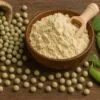
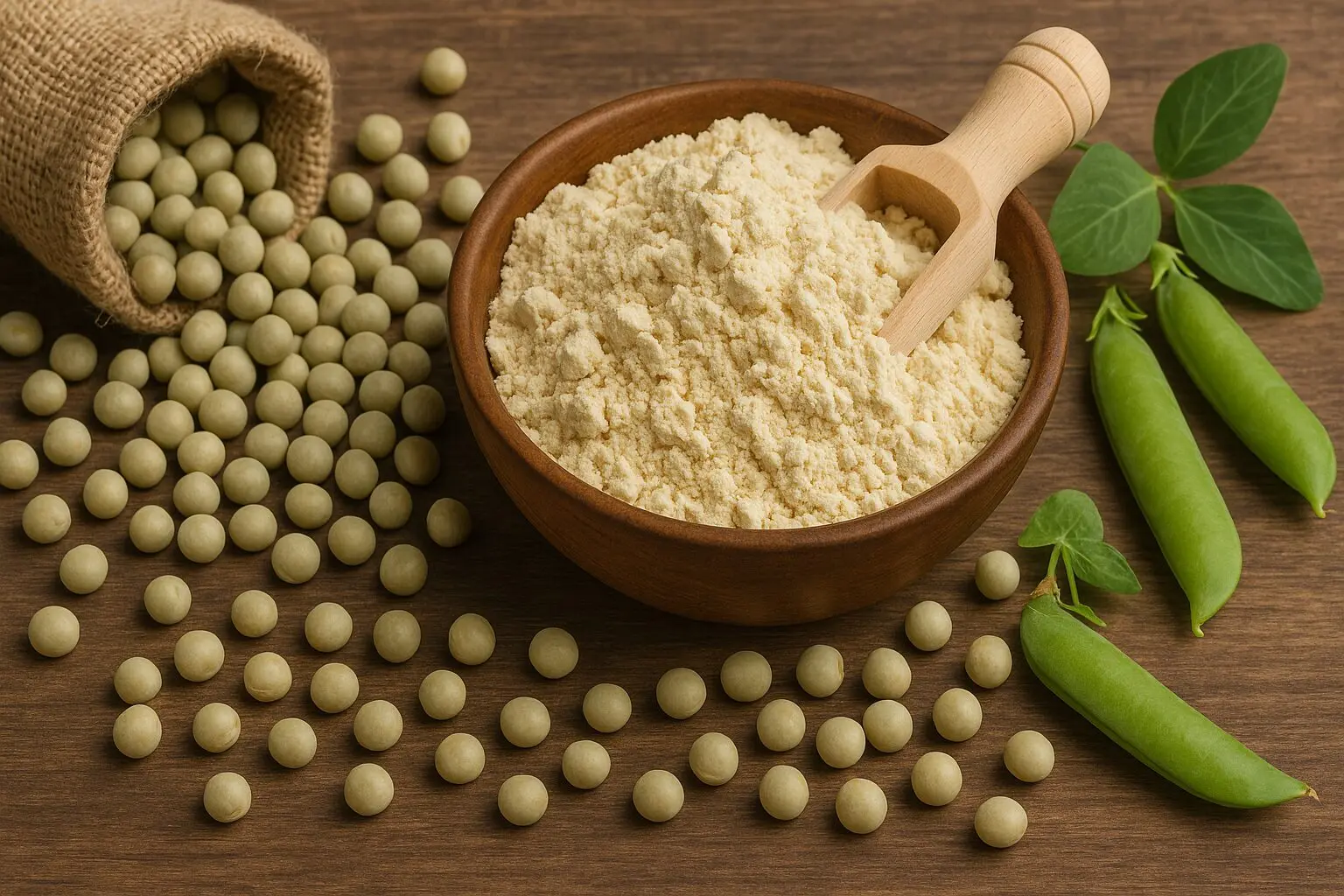
Pea protein is one of the most popular plant-based protein powders. It is made from yellow split peas: the peas are ground, and the protein is separated from the starch and fiber using water. The result is a protein isolate with up to 80–85% protein and a fairly neutral taste.
Pea protein is free of gluten, lactose and soy, and allergic reactions are rare, which makes it a good option for people with dairy or soy intolerances. It is rich in lysine, an amino acid that is often scarce in plant-based diets, and in arginine and the branched-chain amino acids (BCAAs) that are important for muscles. Its weak point is the amino acid methionine, which is why it is often combined with rice protein.
Nutritional values (per 100 g)
| Nutrient | Amount |
|---|---|
| Energy | 370 kcal |
| Protein | 80 g |
| Total fat | 6 g |
| – Saturated fat | 1 g |
| Carbohydrates | 2 g |
| – Sugars | 0 g |
| Fiber | 3 g |
| Iron | 10 mg |
| Arginine | 6.5 g |
| Lysine | 6.8 g |
| Sodium | < 1 mg |
Values vary considerably between products. Some isolates contain noticeable amounts of sodium from processing – check the label if you need to watch your salt intake.
Fun fact
Whole peas can cause gas because of certain carbohydrates (oligosaccharides) that are fermented in the large intestine. Most of these are removed during the production of pea protein isolate, so it is usually much easier on the stomach than a plate of pea soup.
How to use pea protein
- Mix into smoothies, oatmeal or protein shakes
- Use in protein pancakes, cookies and bars
- Combine with rice protein for a more complete amino acid profile
- A typical serving is 20–30 g, providing around 16–24 g of protein
In studies, pea protein supported muscle growth after strength training about as well as whey protein when the amount of protein was the same.
Health benefits
- Muscle maintenance and recovery after exercise, thanks to its high protein and BCAA content
- Satiety – protein keeps you full longer, which can help with weight management
- Hardly any carbohydrates – causes almost no rise in blood sugar and can be part of a diet for insulin resistance or type 2 diabetes
- Good tolerance – an alternative for people who do not tolerate dairy or soy
- Iron – helpful in plant-based diets; vitamin C improves absorption
There is no evidence that pea protein improves concentration in ADHD. Rarely, people with a peanut allergy also react to peas.
Healthy breakfast idea
High-protein pancakes
Blend 1 banana, 2 tbsp pea protein, 2 eggs (or a plant-based substitute), 1/4 cup plant-based milk and 1 tsp cinnamon. Cook in a non-stick pan and serve with fresh berries or almond butter.
Post-workout smoothie
Banana and cacao
- 1 ripe banana
- 1 tbsp pea protein
- 1 tsp raw cacao
- 200 ml oat milk
- pinch of cinnamon
Blend until creamy – a simple recovery drink with no added sugar.
In summary
Pea protein is a well-tolerated, versatile plant protein that is particularly suitable for active people and anyone avoiding dairy or soy. Combined with other plant proteins, it can cover your amino acid needs well.