Introduction
Managing type 2 diabetes is about much more than avoiding sugar. Diet, exercise, sleep and – where needed – medication form the foundation. Alongside these, several herbs and supplements have been studied for their effects on blood sugar, insulin sensitivity and inflammation.
This guide explains:
- which herbs have the best evidence,
- how they work,
- what to look for in a supplement,
- typical doses and important safety notes,
- how to fit them into everyday life.
Important: Several of these herbs lower blood sugar. Combined with diabetes medication, especially insulin or sulfonylureas, this can lead to hypoglycemia (low blood sugar). Always talk to your doctor before starting a supplement, and monitor your blood sugar closely.
Why herbs?
Plants have been used in traditional medicine for thousands of years, and research is increasingly identifying the compounds behind their effects. Some of them influence:
- how quickly glucose is absorbed from the gut,
- insulin release from the pancreas,
- glucose production in the liver,
- inflammation and oxidative stress,
- the composition of the gut microbiome.
The quality of the evidence varies considerably from herb to herb, so the sections below indicate how well each one has been studied.
1. Berberine – well studied
What it is: A yellow plant compound found in barberry, goldenseal and Chinese goldthread (Coptis).
How it works:
- Activates AMPK, a cellular energy sensor also influenced by exercise and metformin
- Improves insulin sensitivity
- Reduces glucose production in the liver
- Changes the gut microbiome
- Lowers triglycerides and cholesterol
What research says:
Meta-analyses show that berberine lowers fasting glucose, HbA1c and blood lipids. Some smaller studies found effects comparable to metformin, but the studies are generally of moderate quality.
Dose:
Usually 500 mg two to three times a day with meals; start with one dose and increase gradually to reduce digestive upset.
Caution:
Interacts with many medicines (including blood thinners, cyclosporine and some heart drugs), can lower blood pressure and is not suitable during pregnancy, breastfeeding or for infants.
2. Cinnamon – modest effect
What it is: A spice made from the bark of Cinnamomum trees.
How it works:
- May improve insulin signaling
- Slows the digestion of carbohydrates
- Has antioxidant properties
What research says:
Studies using 1–6 g a day show modest reductions in fasting blood sugar and sometimes cholesterol; the results are inconsistent.
Best form:
Most studies used cassia cinnamon, which contains coumarin and can harm the liver in larger amounts. Ceylon cinnamon contains very little coumarin and is safer for regular use.
3. Fenugreek – promising
What it is: A plant used in Ayurvedic and Middle Eastern cooking and medicine; the seeds are used.
How it works:
- Rich in soluble fiber that slows carbohydrate absorption
- May stimulate insulin secretion
- Increases satiety
What research says:
Clinical trials show that fenugreek seeds can lower fasting blood sugar and HbA1c, including in prediabetes.
How to use it:
Soak one to two teaspoons of seeds overnight and eat them or drink the water in the morning, or take capsules (typically 500–1000 mg two to three times a day). Avoid during pregnancy; can cause digestive upset and a maple-syrup body odor.
4. Bitter melon – limited evidence
What it is: A tropical vegetable (Momordica charantia) widely eaten in Asia and Africa.
How it works:
- Contains compounds with insulin-like effects in laboratory studies
- May improve glucose uptake by cells
What research says:
Animal studies show strong effects, but human studies are few and show small or inconsistent benefits.
How to use it:
As a vegetable in stir-fries and curries, as juice or in capsules. Very bitter; can lower blood sugar noticeably with medication. Not during pregnancy.
5. Gymnema sylvestre – promising
What it is: A climbing plant from traditional Indian medicine, sometimes called “sugar destroyer”.
How it works:
- Reduces the absorption of sugar in the gut
- May support insulin production (beta-cell effects have been shown in animal studies)
- Temporarily dulls the taste of sweetness when chewed
What research says:
Small studies show reductions in HbA1c and blood sugar when used alongside conventional treatment.
Dose:
Usually 200–400 mg of standardized extract a day.
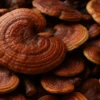
6. Reishi – early research
What it is: A medicinal mushroom from traditional Chinese medicine.
How it works:
- Modulates the immune system
- Has anti-inflammatory effects
- May lower blood sugar slightly
What research says:
Animal studies show glucose-lowering effects; human studies are few and inconclusive.
How to use it:
As tea, powder or capsules. Caution with blood thinners and before surgery.
7. Milk thistle – early research
What it is: A medicinal plant whose seeds contain silymarin.
How it works:
- Protects liver cells
- Reduces oxidative stress and inflammation
- May improve glucose metabolism in the liver, which is often affected by fat in type 2 diabetes
What research says:
Some smaller studies show improved fasting glucose and HbA1c; larger studies are needed.
Dose:
Usually 200–600 mg of silymarin a day with meals.
Also worth mentioning
- Alpha-lipoic acid – an antioxidant used for diabetic nerve pain; may improve insulin sensitivity
- Curcumin (turmeric) – anti-inflammatory; small studies show benefits for blood sugar
- Holy basil (tulsi) – traditionally used for stress and blood sugar
- Psyllium husk – soluble fiber that softens the rise in blood sugar after meals; well studied
- Neem – traditionally used, but can damage the liver and is not suitable for children or during pregnancy
The gut microbiome connection
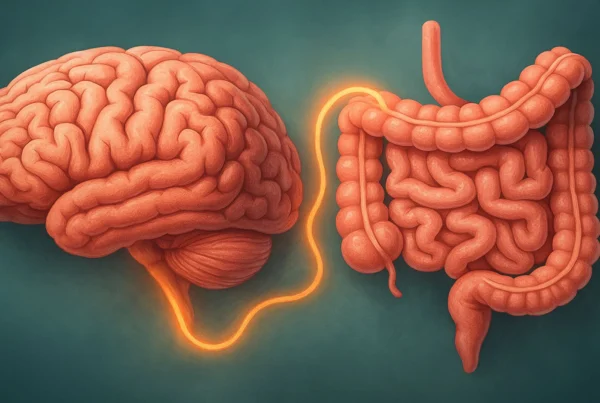
Several of these herbs – berberine, cinnamon and curcumin, for example – also influence the gut microbiome, which in turn affects inflammation and glucose metabolism.
Read more: How Gut Health Affects Blood Sugar
How to choose a good supplement
Look for:
- standardized extracts with a stated content of the active compound,
- independent laboratory testing (for example NSF or USP certification),
- reputable manufacturers with transparent sourcing,
- no unnecessary fillers or additives,
- doses that match those used in studies.
Integrating herbs into everyday life
- Add cinnamon to porridge or smoothies
- Use fenugreek seeds in curries or soak them overnight
- Cook bitter melon in stir-fries or curries
- Season soups and stews with turmeric and black pepper
- Take supplements such as berberine only after discussing them with your doctor
Herbs are not quick fixes. Their effects, if any, develop over weeks of regular use – and the basics of diet, exercise and sleep have a far greater effect.
The stress and blood sugar connection
Chronic stress raises cortisol, which in turn raises blood sugar. Relaxation techniques, enough sleep and, for some people, calming herbs such as holy basil can help indirectly.
Summary table
| Herb / supplement | Main benefit | Evidence |
|---|---|---|
| Berberine | Lowers glucose and blood lipids | Good (moderate-quality studies) |
| Cinnamon (Ceylon) | May improve insulin sensitivity | Mixed, modest effect |
| Fenugreek | Softens blood sugar rises | Promising |
| Bitter melon | Insulin-like compounds | Limited in humans |
| Gymnema sylvestre | Reduces sugar absorption, may lower HbA1c | Promising, small studies |
| Reishi | Anti-inflammatory | Early research |
| Milk thistle | Supports the liver | Early research |
Further reading
- How Gut Health Affects Blood Sugar
- 10 Natural Foods That Help Keep Blood Sugar Steady
- What Is Type 2 Diabetes? A Clear Guide
Final thoughts
Some herbs and supplements can support blood sugar control, with berberine, fenugreek and fiber supplements among the better-studied options. They work best as part of a healthy lifestyle and in coordination with your doctor – never as a replacement for prescribed treatment.