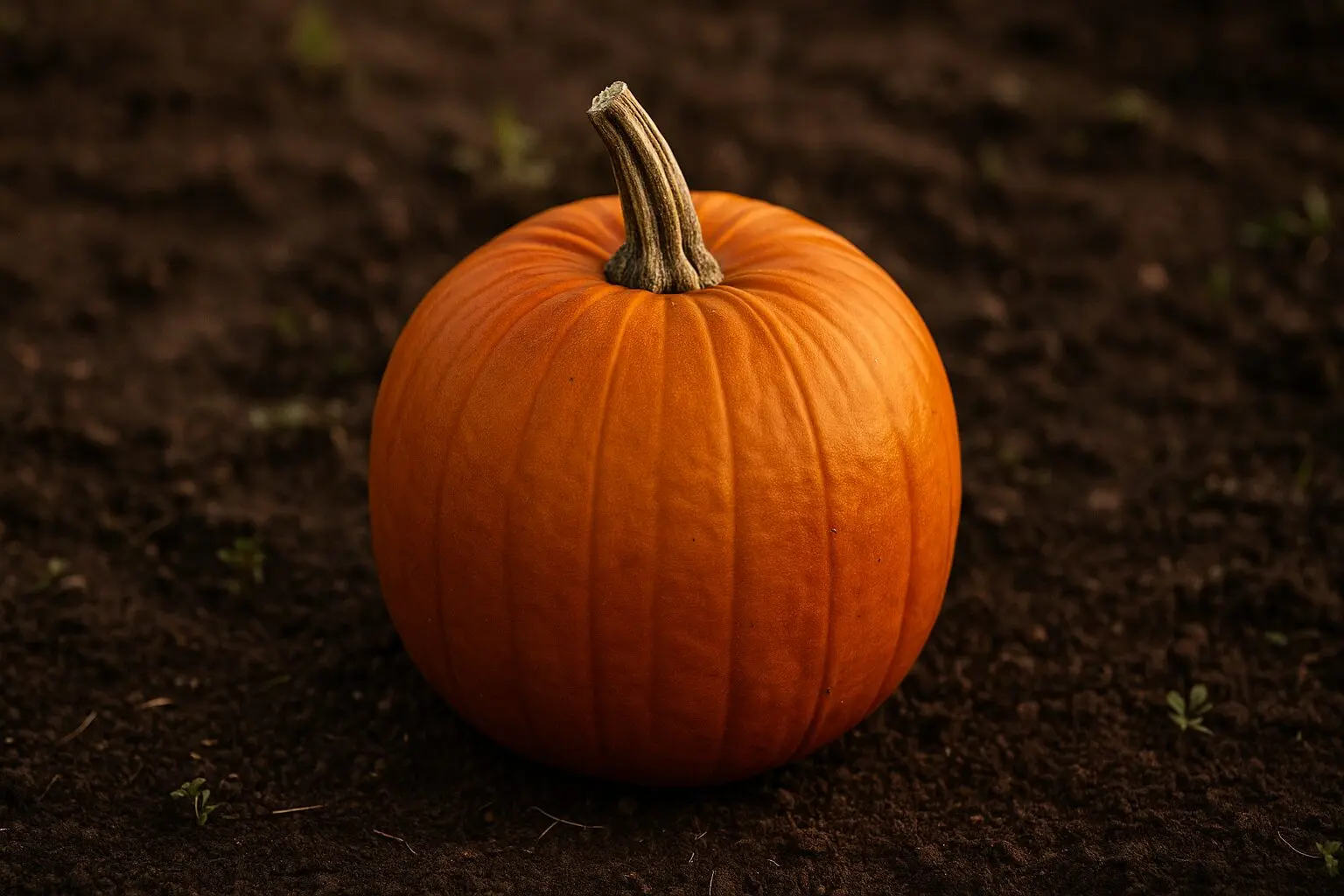
Cucurbita pepo
Pumpkin is the vegetable of autumn, but its nutritional value lasts all year. It is very low in calories, rich in beta-carotene and works in sweet and savory dishes alike – from soup and curry to bread and smoothies.
What makes pumpkin special?
Its orange flesh owes its color to beta-carotene, which the body turns into vitamin A. Pumpkin also provides potassium, vitamins C and E and fiber, while containing only about 20 kcal per 100 g when cooked. Its mild taste and soft texture make it suitable for children, older people and anyone with a sensitive stomach.
Health benefits of pumpkin
1. Supports eyes and skin
Vitamin A is needed for healthy vision and for the renewal of skin and mucous membranes. As an antioxidant, beta-carotene also helps protect cells from free-radical damage.
2. Good for the heart
Pumpkin’s potassium helps regulate blood pressure, and its fiber can contribute to healthier cholesterol levels. A bowl of pumpkin soup is comfort food that also fits a heart-healthy diet – as long as you go easy on the cream.
3. Supports the immune system
Vitamins A, C and E all play a role in immune function. Pumpkin is not a cure for colds, but it is an easy way to get more of these nutrients during the darker months.
4. Gentle on the stomach
Cooked pumpkin is easy to digest and rarely causes discomfort, which makes it a good choice when recovering from illness or for people with sensitive digestion.
Nutritional value of pumpkin (per 100 g, cooked)
| Nutrient | Amount |
|---|---|
| Calories | 20 kcal |
| Protein | 1.0 g |
| Fat | 0.1 g |
| Carbohydrates | 4.9 g |
| Fiber | 1.1 g |
| Vitamin A (from beta-carotene) | 426 µg |
| Vitamin C | 9 mg |
| Vitamin E | 1.1 mg |
| Potassium | 230 mg |
| Zinc | 0.3 mg |
Pumpkin myths, checked
“Pumpkin tastes sweet, so it must be fattening.”
No. Despite its sweetness, pumpkin is one of the lowest-calorie vegetables. It fills you up and works well in a weight-loss diet.
“Pumpkin is only for soup and Halloween.”
Far from it. Pumpkin works in curries, stews, risotto, purées, oven fries, smoothies and baking.
Worth knowing
- An ancient crop. Pumpkins and squashes are among the oldest cultivated plants; seeds found in Mexico are around 8,000–10,000 years old.
- Don’t throw out the seeds. Pumpkin seeds are rich in zinc, magnesium and healthy fats, and studies suggest they may help with symptoms of an enlarged prostate.
How to eat more pumpkin
- Pumpkin soup with coconut milk – a classic for good reason.
- Roasted with rosemary and olive oil – as a side dish or in a salad.
- Smoothie with banana and cinnamon – tastes like dessert.
- Pumpkin bread – moist and spiced, and the pumpkin lets you use less sugar.
Summary
Pumpkin is a gentle, low-calorie vegetable rich in beta-carotene and potassium. It supports vision, the immune system, heart health and digestion, and it is one of the most versatile ingredients you can have in the kitchen.