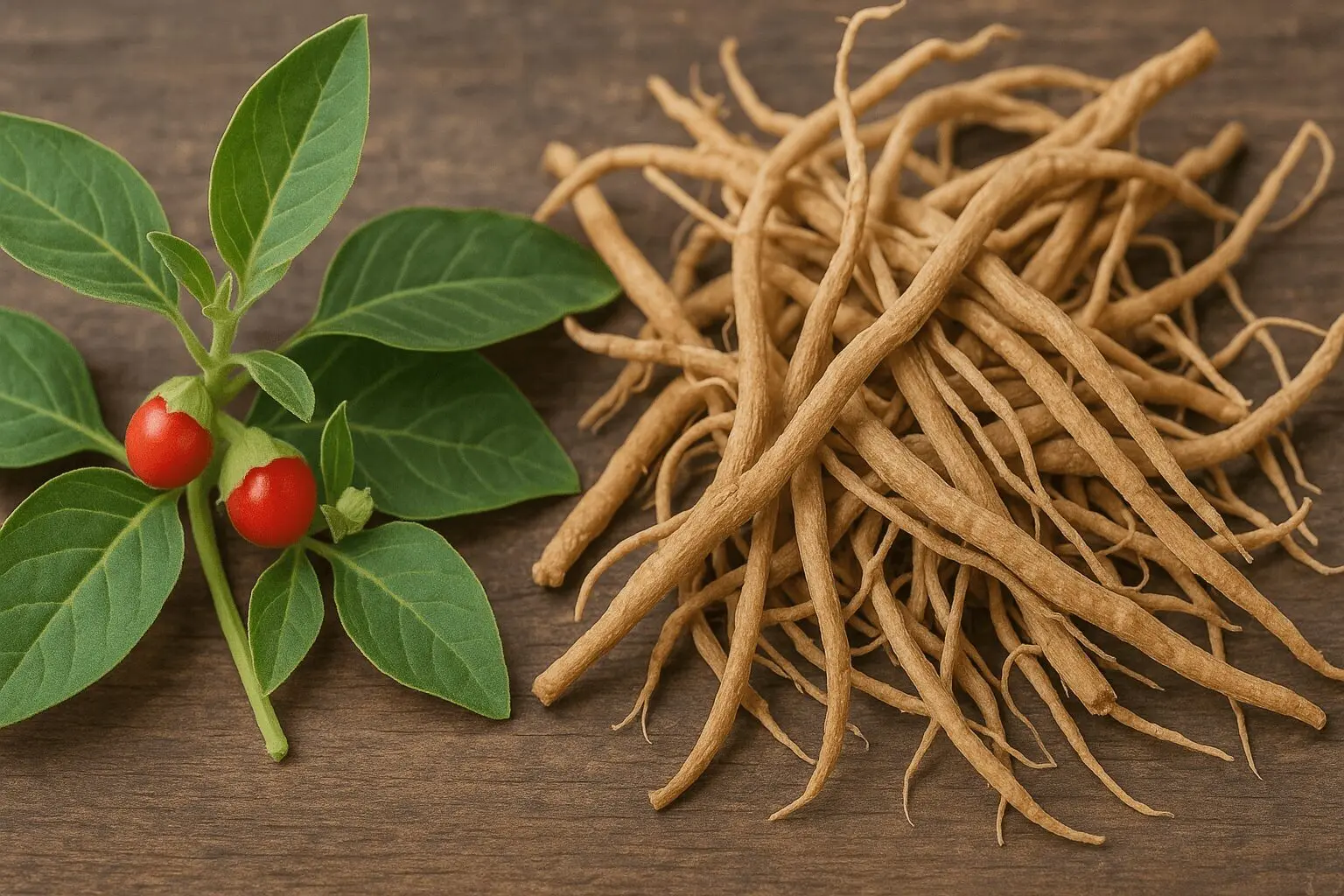
Ashwagandha – a root for calm, strength and balance
Ashwagandha (Withania somnifera) is one of the best-known herbs in Ayurvedic medicine. Often called “Indian ginseng”, it has been used for centuries to strengthen the body and help it cope with physical and emotional strain. Its recent popularity is no accident: chronic stress, short nights and constant availability have made remedies for stress resilience more relevant than ever.
The name means roughly “smell of a horse” – a nod to the earthy scent of the root. Ashwagandha is classed as an adaptogen, a plant thought to help the body adapt to stress. Research suggests it may ease feelings of stress and anxiety, improve sleep and support mental clarity, although it is not a substitute for treatment of anxiety disorders or depression.
Main benefits of ashwagandha
- Can lower cortisol, the main stress hormone
- Supports a calmer nervous system and a more stable mood
- May improve memory and concentration
- Can increase energy and physical endurance
- Influences hormones such as testosterone and thyroid hormones
- Has anti-inflammatory properties and supports immune function
- Helps improve sleep quality without acting as a sedative
Ashwagandha, cortisol and chronic stress
Cortisol is useful in short bursts: it sharpens attention and mobilizes energy when you need it. Problems arise when it stays high for weeks or months. Constant pressure, overwork, poor sleep and digital overload keep levels up, which can contribute to exhaustion, insomnia, weight gain around the middle and emotional burnout.
Ashwagandha appears to act on several levels:
- It modulates the HPA axis (hypothalamus–pituitary–adrenal system), the body’s central stress-response system
- It may improve tolerance to stressors, partly through effects on serotonin signaling
- It may reduce inflammation in the nervous system and support GABA activity, which has a calming effect
In clinical trials, around 600 mg a day of a standardized root extract lowered cortisol levels – in some studies by close to 30% within eight weeks – while participants reported better sleep, focus and mood.
Nutritional profile (per 100 g of powdered root)
| Nutrient | Amount |
|---|---|
| Energy | 245 kcal |
| Protein | 3.7 g |
| Fat | 0.3 g |
| Carbohydrates | 46 g |
| Fiber | 32 g |
| Iron | 3.3 mg (24% DV) |
| Calcium | 23 mg |
| Potassium | 530 mg |
| Withanolides (avg.) | 1.5–5% |
DV – Daily Value based on a standard adult intake.
Good combinations
| Ingredient | How it complements ashwagandha |
|---|---|
| Magnesium | Calms the nervous system and supports muscle relaxation |
| Vitamins B6 & B12 | Needed to produce serotonin and dopamine |
| Rhodiola rosea | Another adaptogen, used for mental fatigue |
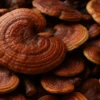
| Reishi mushroom | Traditionally used for calm and recovery |
| L-theanine (green tea) | Supports relaxed focus without drowsiness |
| Lemon balm & lavender | Ease tension and lift mood |
| Omega-3 fats | Support brain function and emotional balance |
How to take ashwagandha
Ashwagandha is mostly sold as a powder or in capsules. If you prefer a ritual to a pill, try this evening drink:
Ashwagandha latte for better sleep
Ingredients:
- 1 cup oat or almond milk
- ½ tsp ashwagandha powder
- a pinch of cinnamon and cardamom
- 1 tsp lavender honey or date syrup
- a few drops of vanilla extract
- optional: 100 mg magnesium (from a supplement)
Method:
Warm the milk gently without boiling it, whisk in the powder and spices, sweeten to taste and drink about 30 minutes before bed.
Safety
Ashwagandha is well tolerated by most adults, but it is not for everyone. Avoid it during pregnancy and breastfeeding, and talk to your doctor first if you have a thyroid condition or an autoimmune disease, take sedatives, thyroid or blood sugar medication, or have liver problems – rare cases of liver injury have been reported.
Worth knowing
Ashwagandha does not work like coffee. Instead of an immediate lift, its effects build up gradually over several weeks of regular use.
Our view
For many people dealing with ongoing stress, tension or poor sleep, ashwagandha is one of the better-studied herbal options. It works best alongside the basics – enough sleep, regular breaks and time away from screens – rather than as a replacement for them.