Rubus fruticosus
A wild berry rich in fiber and anthocyanins
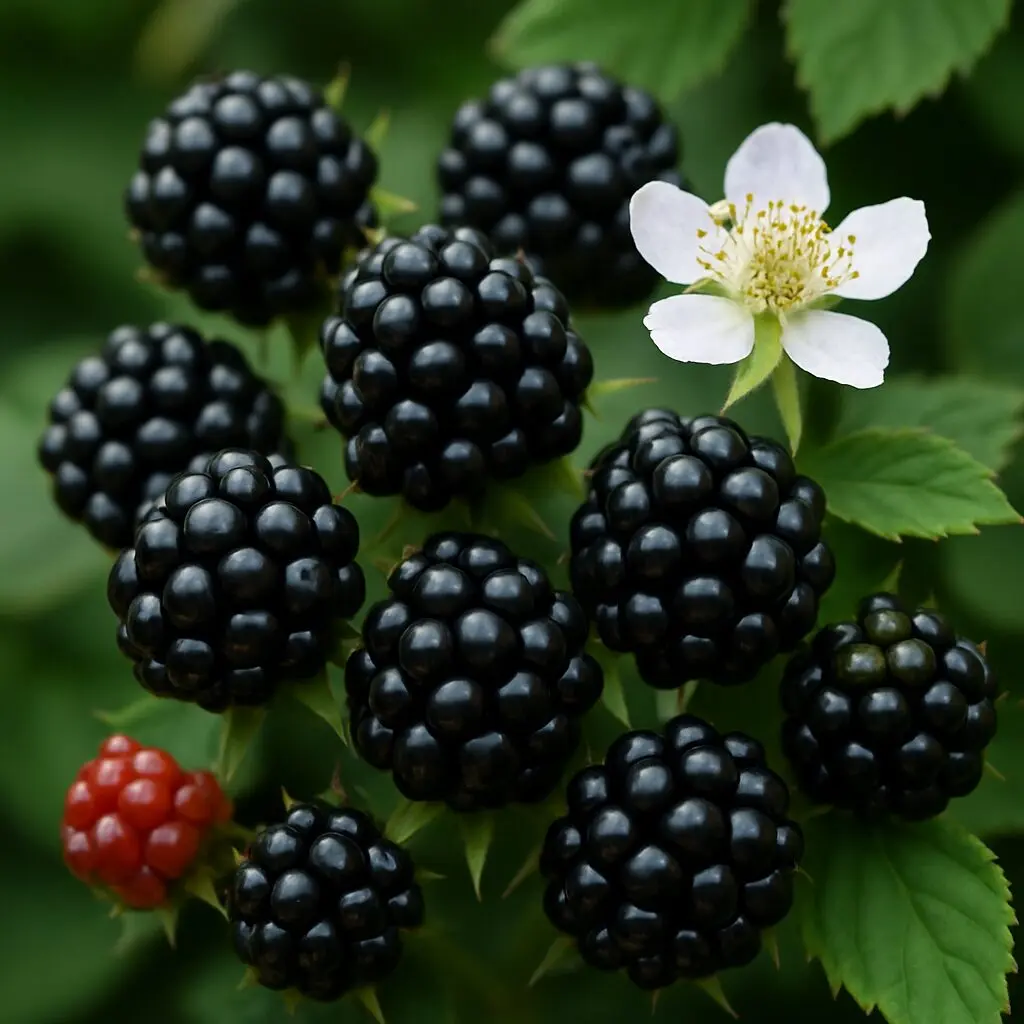
Blackberries grow wild along forest edges, hedges and paths across Europe and North America, and are often overshadowed by blueberries and raspberries. Unfairly so: they are rich in fiber, vitamin C, vitamin K, manganese and anthocyanins – the dark pigments responsible for their deep color.
In folk medicine, both the fruit and the leaves have been used for centuries, particularly for digestive complaints and sore throats.
Nutritional values (per 100 g dried blackberries):
| Nutrient | Amount |
|---|---|
| Fiber | 27 g |
| Vitamin C | 210 mg |
| Vitamin K | 30 µg |
| Vitamin E | 7 mg |
| Folate | 38 µg |
| Copper | 1 mg |
| Manganese | 2.3 mg |
| Iron | 3.3 mg |
| Anthocyanins (avg.) | 800–1200 mg |
| Total polyphenols | 2000–3000 mg |
For comparison: 100 g of fresh blackberries contain around 43 kcal, 5 g of fiber and 21 mg of vitamin C.
Health benefits
- Blood sugar – Their high fiber content and low sugar content mean that blackberries cause only a small rise in blood sugar. Berries are a good choice of fruit for people with insulin resistance or type 2 diabetes.
- Digestion and gut flora – Fiber and polyphenols feed beneficial gut bacteria and support regular digestion.
- Antioxidant and anti-inflammatory effects – Anthocyanins protect cells from oxidative stress and have anti-inflammatory effects in laboratory studies.
- Heart and blood vessels – Diets rich in berries and anthocyanins are associated with lower blood pressure and a lower risk of cardiovascular disease.
- Bones and blood clotting – Blackberries are a good source of vitamin K and manganese.
- Brain – In observational studies, people who eat a lot of berries show slower cognitive decline in older age. Whether this is due to the berries themselves is not yet clear.
There is no evidence that blackberries help with ADHD or leaky gut or that they “detox” the liver. Anthocyanins inhibit the growth of cancer cells in laboratory studies, but whether blackberries reduce the risk of cancer in humans has not been shown.
Good combinations
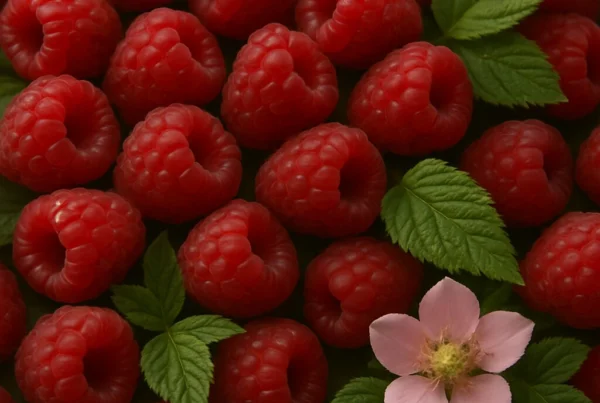
- Raspberries and blueberries – a colorful mix of different polyphenols
- Flaxseed – for extra fiber and omega-3 fatty acids
- Oats – the vitamin C in blackberries improves iron absorption
- Cocoa and walnuts – a delicious, polyphenol-rich combination
Culinary uses
Blackberries are perfect for:
- smoothies and shakes,
- homemade jams, jellies and fruit sauces – ripe berries need little added sugar,
- oat crumbles, cakes and muffins,
- granola, overnight oats or pancakes,
- topping natural yogurt or plant-based alternatives.
Wild blackberries should be washed well before eating. Pick them away from busy roads, and avoid berries at dog height along paths.
Herbal and folk medicine use
Blackberry leaves are rich in tannins and flavonoids. They have:
- an astringent effect,
- a mild antidiarrheal effect,
- antibacterial effects in laboratory studies.
Blackberry leaf tea is traditionally used for mild diarrhea and as a mouthwash or gargle for inflammation of the mouth and throat or bleeding gums. Because of the tannins, it should not be drunk in large quantities over long periods.
Suggested intake
- Children: 1–2 teaspoons of dried berries a day, or a handful of fresh ones
- Adults: 1–2 tablespoons of dried berries or a cup of fresh ones a day
- Tea: 1 teaspoon of dried leaves per cup of boiling water, steep for 10 minutes
Storage tips
Store dried blackberries in a cool, dry place in a tightly sealed glass or metal container, away from light. They absorb moisture and odors easily. Fresh blackberries keep for only a few days in the fridge – they are best washed just before eating, or frozen.
Did you know…?
Their dark color is a sign of their high anthocyanin content – blackberries are among the berries richest in these pigments.
According to old English and Irish folklore, blackberries should not be picked after Michaelmas (September 29), because the devil was said to have spoiled them. There is a practical truth behind it: by late autumn, the berries are often watery, moldy or infested with insects.
In summary
Blackberries are an underrated, often wild-growing berry with lots of fiber, vitamin K and anthocyanins. Fresh in late summer, frozen or dried the rest of the year, they are an easy way to add more fiber and plant compounds to your diet.