Why the gut matters so much
The gut does far more than digest food. A large part of the immune system – often estimated at around 70% of immune cells – sits in and around the intestinal wall. The gut also communicates with the brain via nerves, hormones and immune signals, and its bacteria influence metabolism, weight and possibly mood.
So when people talk about “leaky gut”, they mean a weakening of this important barrier. The idea is popular, but there is a lot of hype around it. This article explains what science actually knows – and what you can do to support your gut.
What is “leaky gut”?
The inner lining of the intestine consists of a single layer of cells, held together by protein structures called tight junctions. In a healthy gut, this barrier lets nutrients through and keeps most bacteria, toxins and undigested food particles out.
When the tight junctions loosen, the barrier becomes more permeable. Doctors call this increased intestinal permeability. A protein called zonulin plays a role in this process; its release can be triggered by gluten (particularly in people with celiac disease) and by certain bacteria, among other things.
Through a more permeable barrier, larger quantities of the following can enter the body:
- bacterial components such as lipopolysaccharides (LPS),
- undigested proteins,
- other substances that are normally kept out.
The immune system responds with inflammation. Over time, this can contribute to low-grade inflammation throughout the body.
Important: Increased intestinal permeability is well documented in conditions such as celiac disease, Crohn’s disease and ulcerative colitis, and is also being studied in many others. “Leaky gut syndrome”, however, is not a recognized diagnosis. It is not yet clear whether increased permeability causes the other symptoms attributed to it, or is a consequence of other conditions.
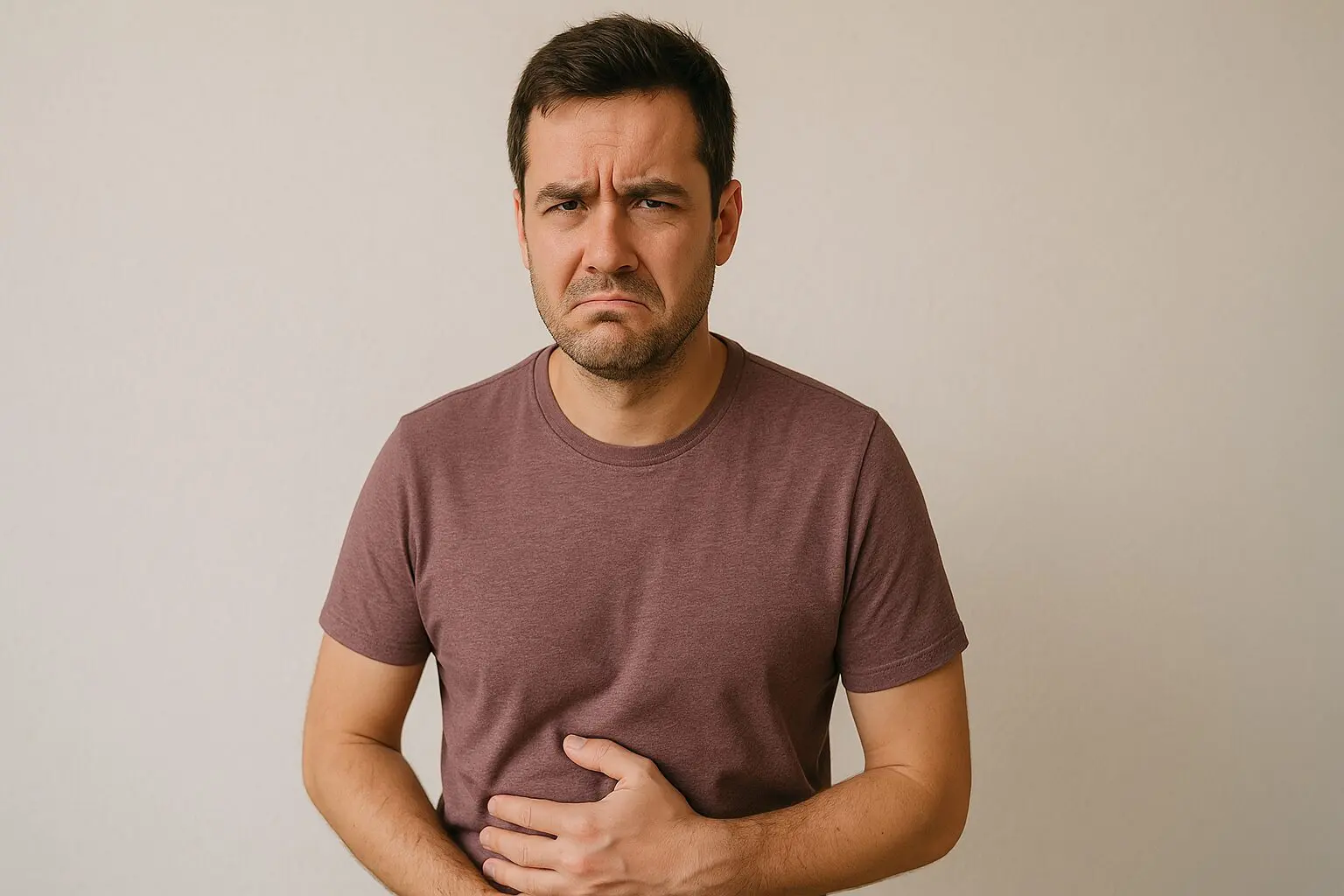
Which symptoms are associated with it?
Increased intestinal permeability is being researched in connection with:
- digestive problems such as irritable bowel syndrome, bloating and diarrhea,
- skin conditions such as eczema and acne,
- autoimmune diseases, including Hashimoto’s thyroiditis,
- tiredness and difficulty concentrating,
- low mood, anxiety and depression,
- joint pain and migraines,
- food intolerances.
These associations are interesting, but in most cases it has not been shown that a leaky gut is the cause. Symptoms like these can have many different causes and should be examined by a doctor.
The role of the microbiome
Your gut is home to tens of trillions of bacteria – about as many as there are cells in your body. They help digest fiber, produce vitamins and short-chain fatty acids, train the immune system and are involved in the production of messenger substances such as serotonin precursors.
A diet low in fiber and high in sugar and highly processed foods, frequent antibiotics, lack of sleep and chronic stress can reduce the diversity of the microbiome. Short-chain fatty acids such as butyrate, which bacteria produce from fiber, nourish the cells of the intestinal lining and strengthen the barrier – so a fiber-rich diet is one of the most important ways to support it.
Other factors that can damage the gut lining
Intestinal infections and parasites
Infections with bacteria, viruses or parasites such as Giardia can damage the gut lining temporarily. Possible symptoms include diarrhea, abdominal pain, bloating and weight loss. The role of Blastocystis and Dientamoeba is debated, as they are also often found in people without symptoms. If you have persistent digestive problems, especially after travel, have a stool test done by your doctor.
Candida
The yeast Candida is a normal part of the gut flora in many people. Antibiotics, a weakened immune system or poorly controlled diabetes can promote overgrowth, for example in the mouth or genital area. Whether an overgrowth of Candida in the gut causes widespread symptoms in otherwise healthy people is scientifically controversial. Frequent yeast infections should be examined by a doctor.
Alcohol, medication and stress
Excessive alcohol, frequent use of painkillers such as ibuprofen (NSAIDs) and intense physical or psychological stress can all increase intestinal permeability.
Enzymes and food intolerances
Lactase
Lactose intolerance is very common worldwide. The enzyme lactase, which breaks down milk sugar, decreases in many people after childhood. This is genetic and normal – it is not caused by a leaky gut. However, damage to the small intestine (for example in celiac disease or after infections) can temporarily reduce lactase as well.
DAO and histamine
Diamine oxidase (DAO) breaks down histamine from food in the small intestine. If too little of it is active, histamine-rich foods such as red wine, aged cheese, tomatoes or fish can cause symptoms like flushing, a runny nose, headaches or palpitations. Histamine intolerance is difficult to diagnose, and blood tests for DAO are not considered reliable. An elimination diet under professional guidance is the usual approach.
Salicylates, food dyes and ADHD
Some people are sensitive to salicylates, natural substances found in many fruits, vegetables and spices. There is also evidence that certain food dyes and preservatives can increase hyperactivity in some children. Claims that a lack of specific enzymes for phenols is a common cause of ADHD, however, are not supported by research.
Leaky gut, ADHD, insulin resistance and diabetes
- ADHD: ADHD is a largely genetic neurodevelopmental condition. Research is investigating whether the gut microbiome influences symptoms, and some studies found differences in the microbiome of people with ADHD. A leaky gut has not been shown to cause ADHD. Read more: Leaky Gut and ADHD: The Gut-Brain Connection
- Insulin resistance: Bacterial components that cross the gut barrier can trigger low-grade inflammation, which promotes insulin resistance (“metabolic endotoxemia”). This connection is well established in animal studies and supported by observational data in humans.
- Type 2 diabetes: People with type 2 diabetes often have a less diverse microbiome. A fiber-rich diet that supports the microbiome can improve blood sugar control. Read more: How Gut Health Affects Blood Sugar
How to support your gut
1. Get a diagnosis
If you have persistent symptoms, see a doctor. Depending on the symptoms, useful tests include:
- a stool test for pathogens and parasites,
- blood tests for celiac disease (before cutting out gluten),
- tests for inflammatory bowel disease, such as fecal calprotectin,
- a breath test for lactose intolerance.
Many tests sold directly to consumers – such as IgG food intolerance panels or extensive microbiome analyses – are of little diagnostic value and are not recommended by medical societies.
2. Reduce what harms the gut
- Sugar, highly processed foods and alcohol
- Unnecessary painkillers (NSAIDs) – only after discussing with your doctor
- Chronic stress
- Gluten and dairy only if you have a diagnosed intolerance or celiac disease
Infections and parasites should be treated by a doctor. Herbal remedies such as oregano oil or berberine are not a substitute for this and can interact with medication.
3. Rebuild
- Fiber-rich foods: vegetables, legumes, whole grains, oats, nuts and seeds
- Prebiotic foods: leeks, onions, garlic, Jerusalem artichoke, asparagus, psyllium
- Fermented foods: sauerkraut, kimchi, kefir, natural yogurt
- Resistant starch: cooked and cooled potatoes or rice, oats
- Probiotics where appropriate – the effects depend on the strain and the condition
4. Strengthen
- Sleep: seven to nine hours for most adults
- Regular, moderate exercise: walking, cycling, yoga
- Stress management: breathing exercises, time in nature, social contact
- Plenty of variety: aim for around 30 different plant foods a week
What you can expect
There are no quick fixes, but many people notice improvements within a few weeks of eating more fiber, sleeping better and reducing alcohol and stress:
- more regular digestion,
- less bloating,
- more stable energy,
- often better mood and sleep.
Final thoughts
The intestinal barrier and the microbiome are important for health – and research on them is developing quickly. At the same time, “leaky gut” is often used as a catch-all explanation for symptoms that can have many causes. The best approach is a combination: have persistent complaints properly investigated, and support your gut every day with a varied, fiber-rich diet, enough sleep, exercise and less stress. That is not a miracle cure – but it is one of the best foundations for your health.