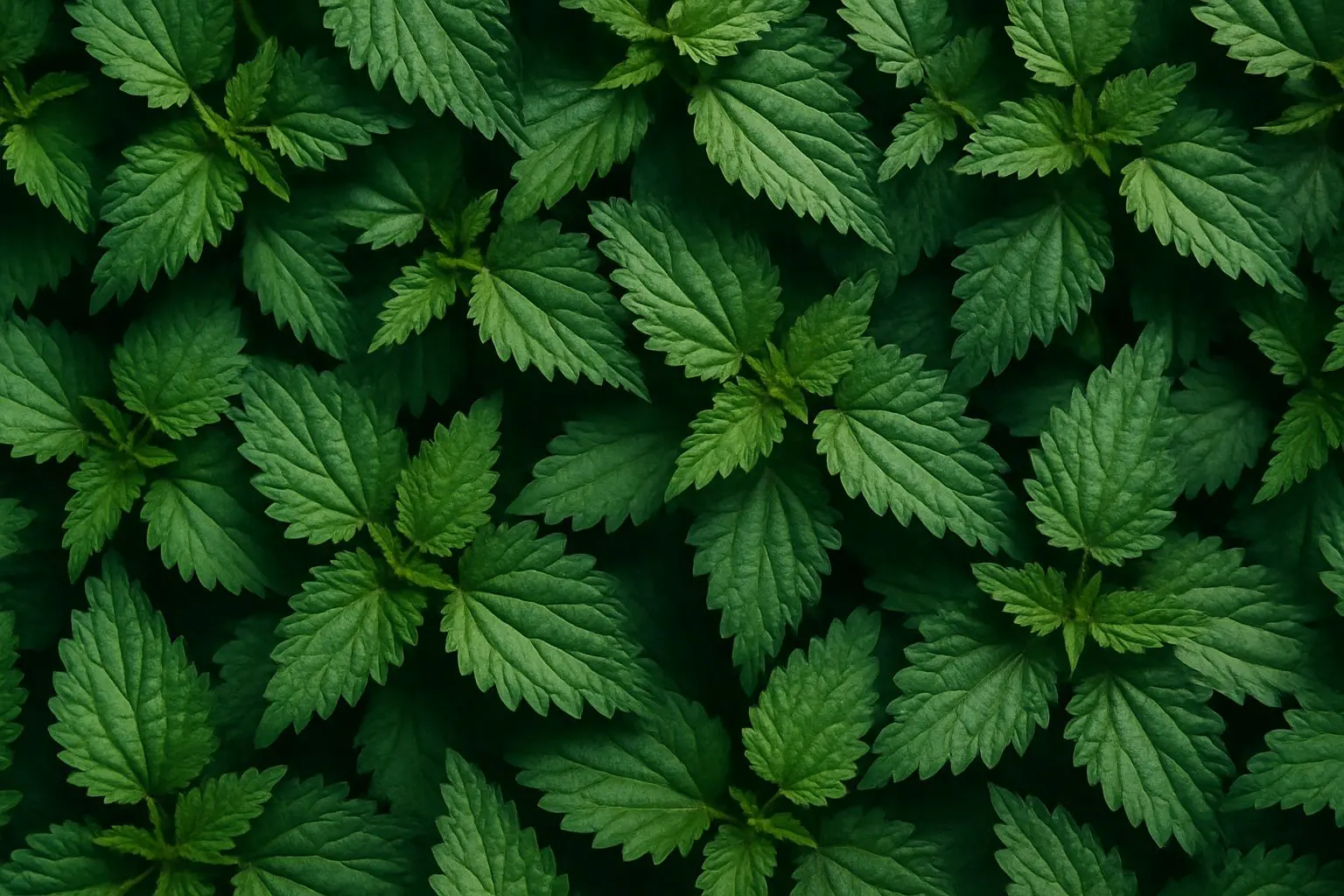
Urtica dioica
Most of us remember nettles from childhood: one wrong step and your legs burned for an hour. Yet stinging nettle is one of the most nutritious wild plants in Europe and a long-standing herbal remedy, used as a tea, a vegetable and even for hair care.
What is stinging nettle?
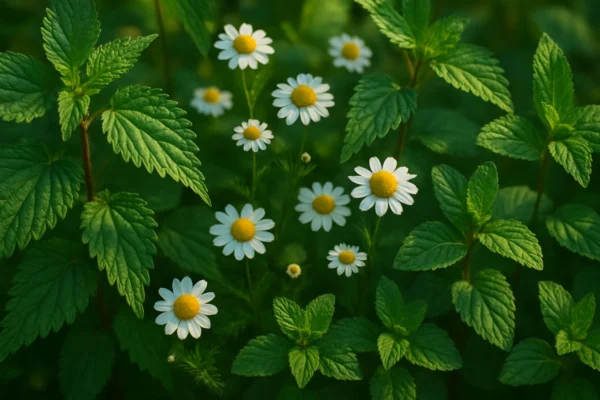
Nettle is a perennial plant whose leaves and stems are covered with fine stinging hairs containing formic acid, histamine and other irritants. Drying, blanching or cooking neutralizes the sting completely. The young leaves are rich in iron, calcium, vitamin C, vitamin K and folate.
Health benefits of stinging nettle
1. A gentle diuretic
Nettle leaf tea increases urine flow and is traditionally used to support the urinary tract and to help the body excrete uric acid. It is often used in spring “flushing” courses – the evidence is mostly traditional, but the diuretic effect is well established.
2. Nutrients for healthy blood
Nettle provides iron, folate and vitamin C, all of which are needed for red blood cell formation. A nettle soup or tea can be a useful part of the diet, but a diagnosed iron deficiency needs medical treatment.
3. Hair, skin and nails
Nettle has anti-inflammatory properties and is traditionally used for oily skin, dandruff and hair loss, both as a tea and as a hair rinse. Scientific evidence for these uses is limited, but they are gentle and popular.
4. Anti-inflammatory effects
Nettle extracts can reduce the release of inflammatory messengers. Studies suggest benefits for joint pain in osteoarthritis and, in the case of nettle root, for urinary symptoms of an enlarged prostate.
How to use nettle
- Tea from dried leaves – as a course of two to three weeks, followed by a break.
- Hair rinse – for dandruff and oily scalp.
- Nettle soup – young spring leaves taste similar to spinach.
- Juice from fresh leaves – strong in taste and best mixed with other juices.
Safety
If you have kidney or heart disease with fluid retention, do not use nettle as a diuretic without medical advice. It can interact with diuretics, lithium and blood pressure medication, and its vitamin K content matters if you take blood thinners. Avoid therapeutic amounts during pregnancy. Always drink enough water when using nettle tea.
Worth knowing
- Fresh nettle leaves contain more calcium than milk and a good amount of vitamin C.
- Nettle fibers were used to make fabric for centuries, and nettle cloth is still produced today.
- In folk medicine, people deliberately stung painful joints with nettles to relieve arthritis – and small studies suggest it may actually help.
Summary
Stinging nettle is a nutritious wild plant with a gentle diuretic and anti-inflammatory effect. As a tea, soup or hair rinse it is a simple, inexpensive addition to your routine – just wear gloves when you pick it.