Epilobium parviflorum
Small-flowered willowherb is a modest wild plant from forest edges and damp meadows. It became widely known in the 20th century, when the Austrian herbalist Maria Treben recommended it for prostate complaints. Today it is one of the most popular herbal teas for men’s bladder and prostate health.
What is small-flowered willowherb?
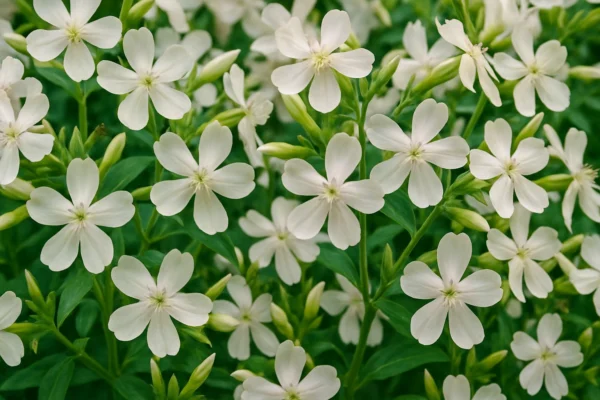
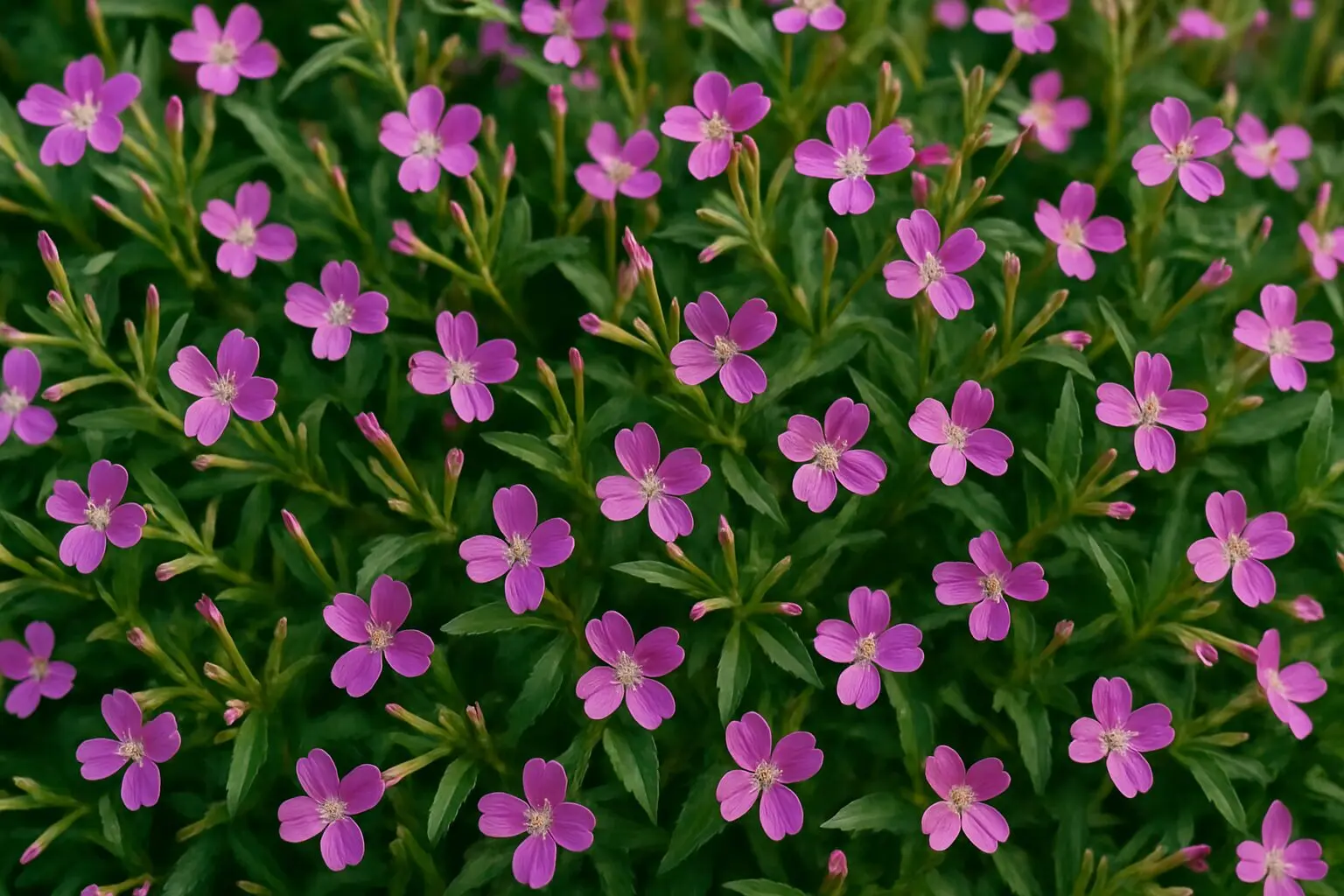
It is a European herb with small pink flowers. The leaves and other aerial parts are used for tea and tinctures. They contain flavonoids, tannins and oenothein B, a compound that has shown anti-inflammatory effects on prostate cells in laboratory studies.
Possible benefits of willowherb
1. Prostate support
Willowherb is traditionally used for the symptoms of a benign enlarged prostate, such as frequent urination and a weak stream. Laboratory studies show anti-inflammatory and growth-inhibiting effects on prostate cells, and a first small clinical trial reported improved symptoms. More research is needed before firm conclusions can be drawn.
Important: urinary symptoms in men should always be checked by a doctor first, to rule out prostate cancer and other conditions.
2. Anti-inflammatory effects in the urinary tract
Willowherb is used to soothe mild irritation in the bladder and urinary tract and has a mild diuretic effect. Bacterial bladder infections, however, need medical treatment.
3. Antioxidant properties
The plant’s polyphenols have antioxidant effects, which may contribute to its anti-inflammatory action.
How to use willowherb
- Tea – one tablespoon of dried herb per cup of hot water, steep for 10 minutes, one to two cups a day.
- Tincture – from pharmacies or herbal shops.
- Capsules – for convenience.
Many people use willowherb in courses, for example three weeks of use followed by a one-week break.
Safety
Willowherb tea is generally well tolerated. As there is little research on long-term use, pregnancy and interactions, talk to your doctor before using it regularly – especially if you have kidney disease or take medication for the prostate or blood pressure.
Worth knowing
- Maria Treben’s books made willowherb famous across German-speaking countries.
- There are several willowherb species; the small-flowered one is the most commonly used.
- The tea has a mild, slightly sweet taste.
Summary
Small-flowered willowherb is a traditional herbal tea for the prostate and urinary tract with promising, but still limited, scientific support. It can be a gentle addition to medical care – never a replacement for a check-up.